



Business overview
To contribute to the development of higher education, we are facilitating the exchange of information on initiatives and research results from various university consortia.
Event Overview
theme
Supporting Local Communities: “Collaboration Among Higher Education Institutions in the Future”
– Let’s Think Together About the Future of Consortia
Tournament Purpose
In the February 2025 report of the Central Council for Education, “A Vision for Improving Japan’s Total Knowledge: Reconstructing the Higher Education System,” it states that “revitalizing local areas through human resource development at local higher education institutions will lead to the formation of diverse educational and research spaces that utilize Japan’s diverse cultures, and it is expected that outstanding students will gather from all over Japan and around the world. As students with diverse cultural backgrounds spend time on campus, they will come to know the charm of the region that nurtured the higher education institution, and by forming personal networks, they will develop affection and pride for the region, and it is conceivable that a positive cycle will be created in which they will continue to be involved with the region even after graduation. It is expected that the existence of attractive local higher education institutions will become places of learning for prospective students living in rural areas.” This expresses the expectations placed on local universities and the students who study there.
Currently, the National University Consortium Council has approximately 40 member organizations, and including non-member organizations, there are more than 50 university collaboration organizations throughout Japan. However, in recent years, changes have been seen in the nature of consortia, such as a decrease in member universities and dissolution due to the transition to regional collaboration platforms. Universities play an extremely important role not only in human resource development but also as a foundation supporting local communities and economies, and there is a strong demand for the promotion of education and research that takes into account the needs of the region. In this context, it is essential for industry, government, and academia to collaborate in order to work on human resource development and solving regional issues.
This forum will be themed “Collaboration of Higher Education Institutions to Support Regions: Thinking Together About the Future of Consortia,” and will share diverse initiatives and challenges in each region, as well as think together with you about the new value that collaboration can create.
schedule
Thursday, September 10, 2026, 13:00-18:00 (Poster session and networking event: 16:00-18:00),
Friday, September 11, 2026, 10:00-12:00
venue
<Thursday, September 10th>
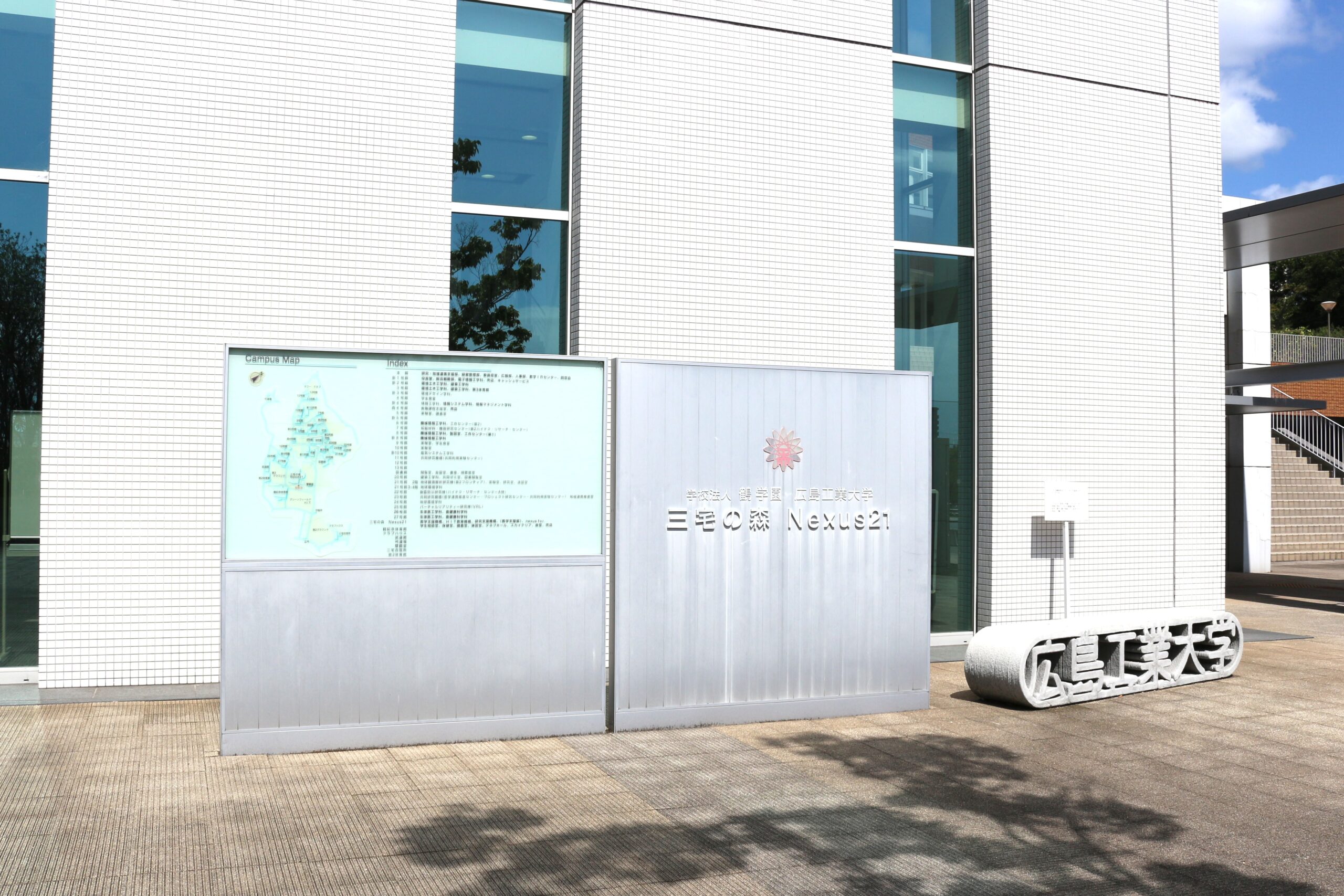
Hiroshima Institute of Technology, Itsukaichi Campus, Miyake no Mori Nexus21 (2-1-1 Miyake, Saeki-ku, Hiroshima City, Hiroshima Prefecture)
- train:
- Take the Hiroden (Hiroshima Electric Railway) Miyajima Line towards “Hiroden Miyajimaguchi” and get off at “Rakurakuen Station,” then walk for 15 minutes.
- bus:
-
Take a bus from the south exit of Itsukaichi Station bound for Higashi Kannondai Danchi or Yuki Onsen via Rakurakuen and
get off at Hiroshima Institute of Technology Entrance.
*A temporary shuttle bus service is planned to operate from the south exit of JR Itsukaichi Station to Hiroshima Institute of Technology on the day of the event. - taxi:
- (Approximately 12 minutes, approximately 1,300 yen)
*Click here to access
*A temporary shuttle bus service will be operating from the south exit of JR Itsukaichi Station to Hiroshima Institute of Technology on the day of the event.
<Friday, September 11th>
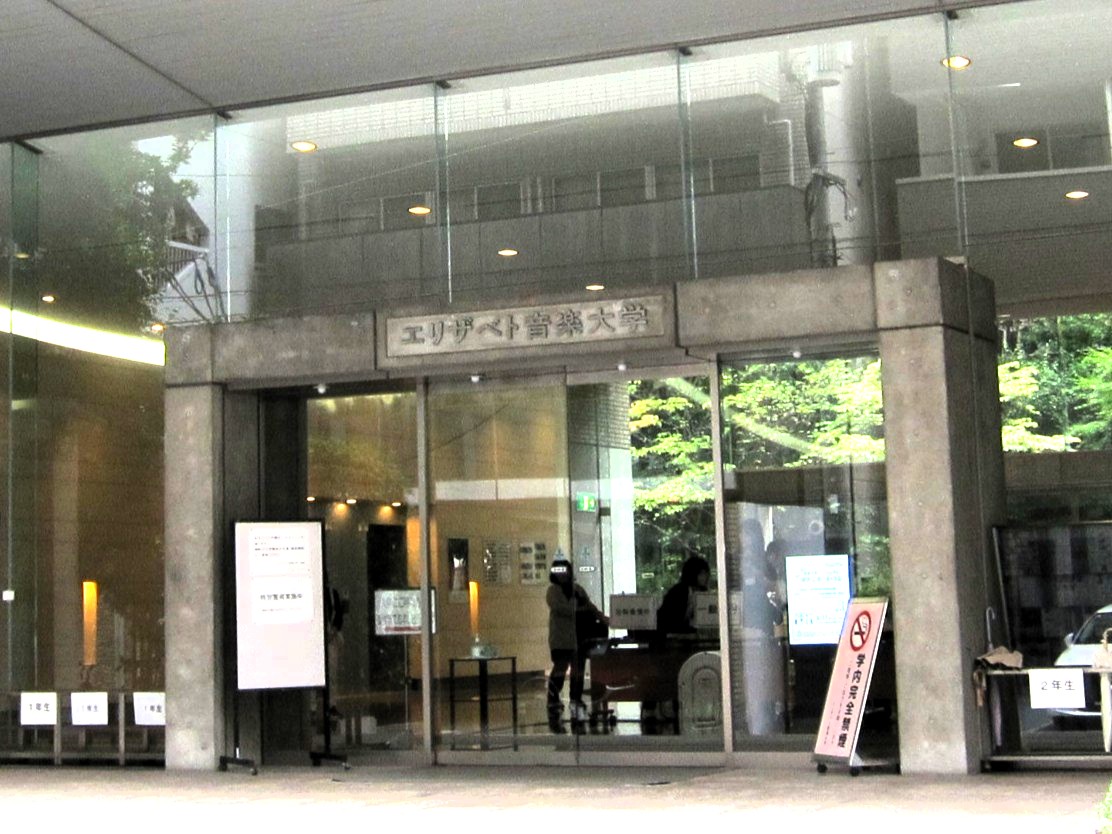
Elisabeth University of Music, Noborimachi Campus (4-15 Noborimachi, Naka-ku, Hiroshima City, Hiroshima Prefecture)
- Walking:
- Approximately 12 minutes on foot from the south exit of JR Hiroshima Station.
Approximately 15 minutes on foot from the Astramline “Kencho-mae Station”. - Trains and buses:
- Take the tram or bus and get off at “Kanayamacho” stop. It’s about a 4-minute walk from there.
*Click here to access
Participation fee
Participation fee: (General) 5,000 yen / (Students) Free
*The participation fee includes the cost of the social gathering.
*In fiscal year 2026, we plan to hold a social gathering (with soft drinks and Hiroshima’s famous sweets) instead of an information exchange meeting (with alcoholic beverages).
*Please note that we will no longer be selling printed proceedings (booklets) starting in fiscal year 2025.
For details, please see “About the Proceedings and Proceedings” below.
Co-sponsored
National University Consortium Council, Education Network Chugoku (General Incorporated Association)
Sponsorship
Ministry of Education, Culture, Sports, Science and Technology;Japan Association of National UniversitiesJapan Association of Public UniversitiesJapan Federation of Private Universities,
Japan Association of Private Universities,National Association of Public Junior Colleges,Japan Association of Private Junior Colleges,National Governors’ Association,Asahi Shimbun Company,
Mainichi Shimbun,Yomiuri Shimbun,Nikkei Inc., Osaka HeadquartersKyodo News Agency, a general incorporated association.Hiroshima Prefecture,
Hiroshima City,Chugoku Shimbun
Content
Day 1 <Thursday, September 10th>
Symposium, poster session, networking event, etc.
Day 2 <Friday, September 11th>
Breakout sessions
◆For more details, please see the special website or leaflet.
Special website (Click the image below to go to the special website)

23rd National University Consortium Research Exchange Forum Leaflet
schedule
<Day 1: September 10th (Thursday) Deneb Hall>
| Opening remarks ⏰13:00-13:10 |
|
– Yasushi Nagasaka, Representative Director, Education Network Chugoku (President, Hiroshima Institute of Technology) – Katsuhiro Ohara, Representative Secretary, National University Consortium Council (Chairman, University Consortium Kyoto, Public Interest Incorporated Foundation; President, Doshisha University) |
| Keynote speech ⏰13:10-14:00 |
|
Theme: Creating “The Sum of Knowledge” and “Access to Knowledge” Together – Expectations for University Consortia in the Post-“Sum of Knowledge Report” – Speaker: Akio Omori, President, Kyoai Gakuen Maebashi International University <Overview> The “Report on the Sum of Knowledge” called for the coexistence of quality, (appropriate) scale, and access. This is a difficult problem. However, learning integrated with the local community has the potential to improve the quality of education, and consortia and platforms are expected to contribute to ensuring access to higher education in the region. While introducing policies such as those promoting integrated learning in the local community and inter-university collaboration at Kyoai Gakuen Maebashi International University, I would like to consider the relationship between local communities and universities, and between universities themselves, in each region going forward. |
| Symposium ⏰14:10-15:50 |
|
Theme: “Considering the Future of University Collaboration Consortia”
Panelists <Overview> |
| Break ⏰15:50-16:00 |
<Day 1: Thursday, September 10th, 2nd Floor Leaf Garden>
| Poster session and networking event ⏰16:00-18:00 |
| The poster session will showcase the activities of consortium organizations from across Japan. The program is designed to allow you to gather information and exchange ideas while viewing the exhibits. We will also have some Hiroshima-related sweets available for you to enjoy. |
| Closing remarks ⏰17:55-18:00 |
|
Closing remarks by Mr. Yuji Kawano, Representative Secretary of the National University Consortium Council (Director of the Education Network Chugoku, and Chairman and President of Elisabeth University of Music) |
//////////////////////////////////////////////////////////////////////////////////////////////////////////////////////////////////////////////////////////////////////////////////////////////////////////////////////////////////////////////////////
<Day 2: Friday, September 11th, Elisabeth University of Music>
| venue | Subcommittee ⏰10:00-12:00 |
| Room 506 |
Theme: “Rethinking the Significance of University Consortia – Considering Future Visions and Decision-Making Criteria in a Changing Regional and University Environment”
○Overview [Introduction] [Basic Sharing & Problem Identification] [Closing] – Confirmation of the takeaway perspective Coordinator: |
Important notes regarding your participation
Please use public transportation when coming to the venue.
Please be considerate and turn off or set your mobile phones and smartphones to silent mode in the lecture hall and breakout session venues to prevent any noise.
Please take your trash home with you. Thank you for your cooperation.
There are no cafeterias or convenience stores on campus.
About the proceedings and reports
Starting in 2025, the proceedings and conference reports will be provided as PDF files rather than printed booklets. The proceedings will be sent as a PDF file to the email address of each forum registrant approximately three days before the forum.
The conference reports will also not be sold; a PDF file will be sent free of charge via email to all forum registrants at a later date. The PDF files provided will include
presentation materials and profile sheets for member organizations of the National University Consortium Council .
Application
If you wish to participate in the 23rd National University Consortium Research Exchange Forum, please register here.

Application period: June 26, 2026 (Fri) 10:00 to August 7, 2026 (Fri) 24:00
*Payment deadline: August 14, 2026 (Fri) 24:00
◆Step 1 Apply via the website
Please register your email address using the “Apply” button above. Access the “Participation Application Form” URL that will be sent to the registered email address, and fill in the required information according to the on-screen instructions. You will then receive a “Application Complete Email”.
◆Step 2 : Payment
After completing the application process in Step 1, you will receive an email regarding payment methods. Please pay the participation fee and other charges by the due date using your credit card or at your nearest convenience store.
*Please note that the payment you make will be used for preparation costs and will not be refunded for any reason.
*Payments cannot be made at banks, Japan Post Bank, or other financial institutions.
*Those who have not completed the application process and payment in Step 1 will not be able to participate.
Payment deadline: August 14, 2026 (Friday) 24:00
◆Step 3: Receipt of “Certificate of Participation”
Once your application is complete (after payment is received), you will receive a “Participation Certificate” at the email address you registered.
*If you do not receive an email by August 14th (Friday), please contact the council secretariat.
◆Step 4 Forum Day
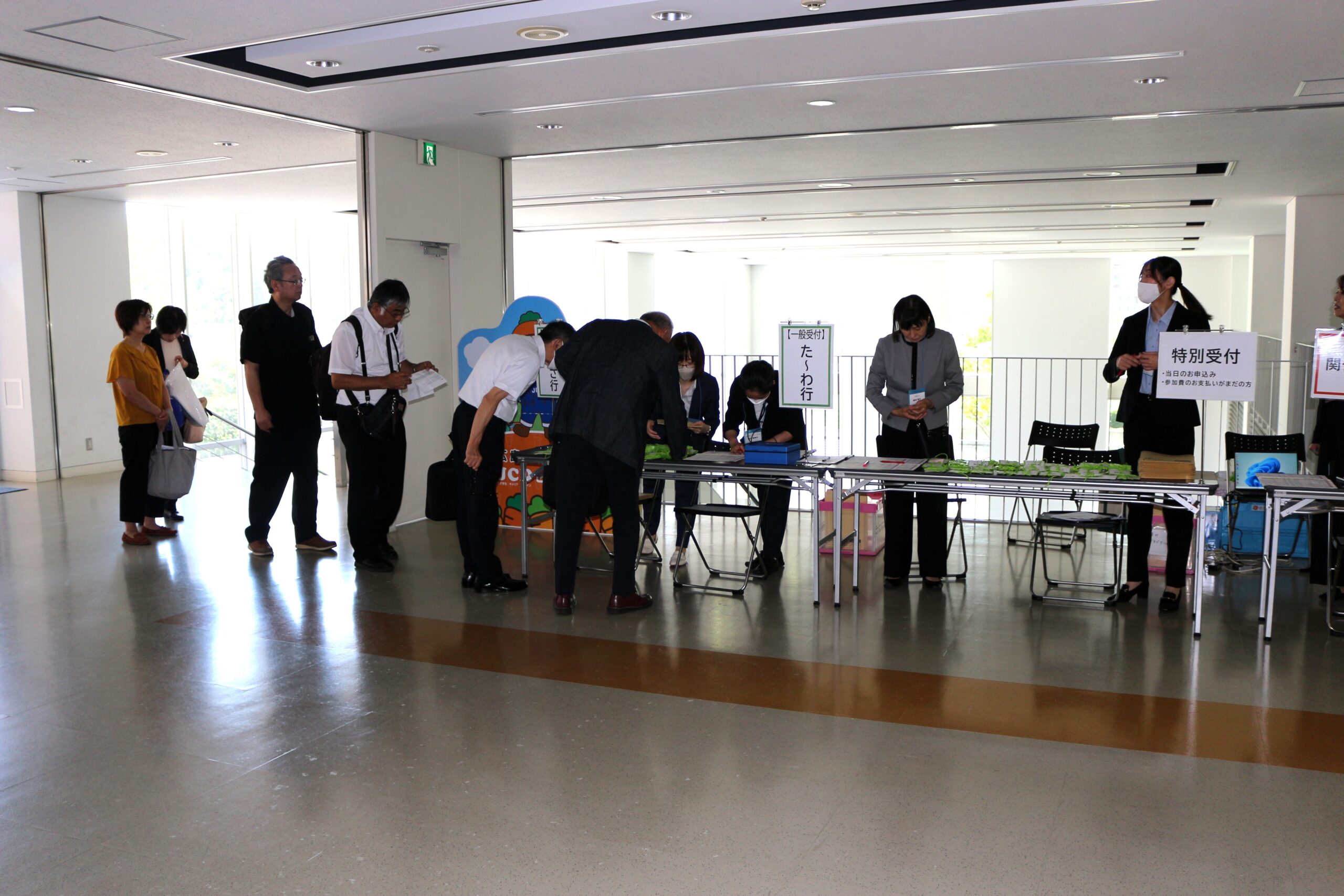
On the day of the forum, please present your “Participation Certificate” (either via email or a printout) at the reception desk.
*If someone is attending on your behalf, please bring the participation confirmation (emailed) and inform the reception desk on the day of the event.
◆Notes
*If cookies are not enabled in your browser, you may not be able to apply.
*If you do not receive a notification email for the “Participation Application Form,” there is a possibility that you entered your email address incorrectly. Please re-enter and resubmit your email address using the “Email Address Confirmation Form.”
*Please note that changes cannot be made after the application process is complete.
*Symposium speakers, coordinators, and breakout session presenters do not need to register.
Implementation Report
The National University Consortium Research Exchange Forum, now in its 23rd year, aims to contribute to the development of higher education by facilitating the exchange of information on the initiatives and research results of various university consortia.
With the main theme of “Collaboration among higher education institutions to support local communities – Let’s think together about the future of consortia,” this forum, held in Hiroshima Prefecture, was attended by 181 people from all over Japan, including university faculty and staff, university consortium members, and government and corporate representatives. 90 people participated in the breakout sessions on the second day.
Opinions were exchanged on the future vision and challenges of collaboration that supports local communities, and lively discussions took place throughout the forum.
[Thursday, September 10th]
| ▼Hiroshima Institute of Technology, Itsukaichi Campus, Nexus21 | |
 |
 |
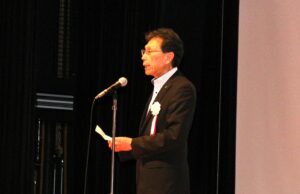
| ▼ Greeting from Mr. Yasushi Saka, Representative Director of the Education Network China, a general incorporated association. |
|
 |
<Keynote Speech>
Creating “The Sum of Knowledge” and “Access to Knowledge” Together
– Expectations for University Consortia in the Post-“Sum of Knowledge Report” –
Speaker:
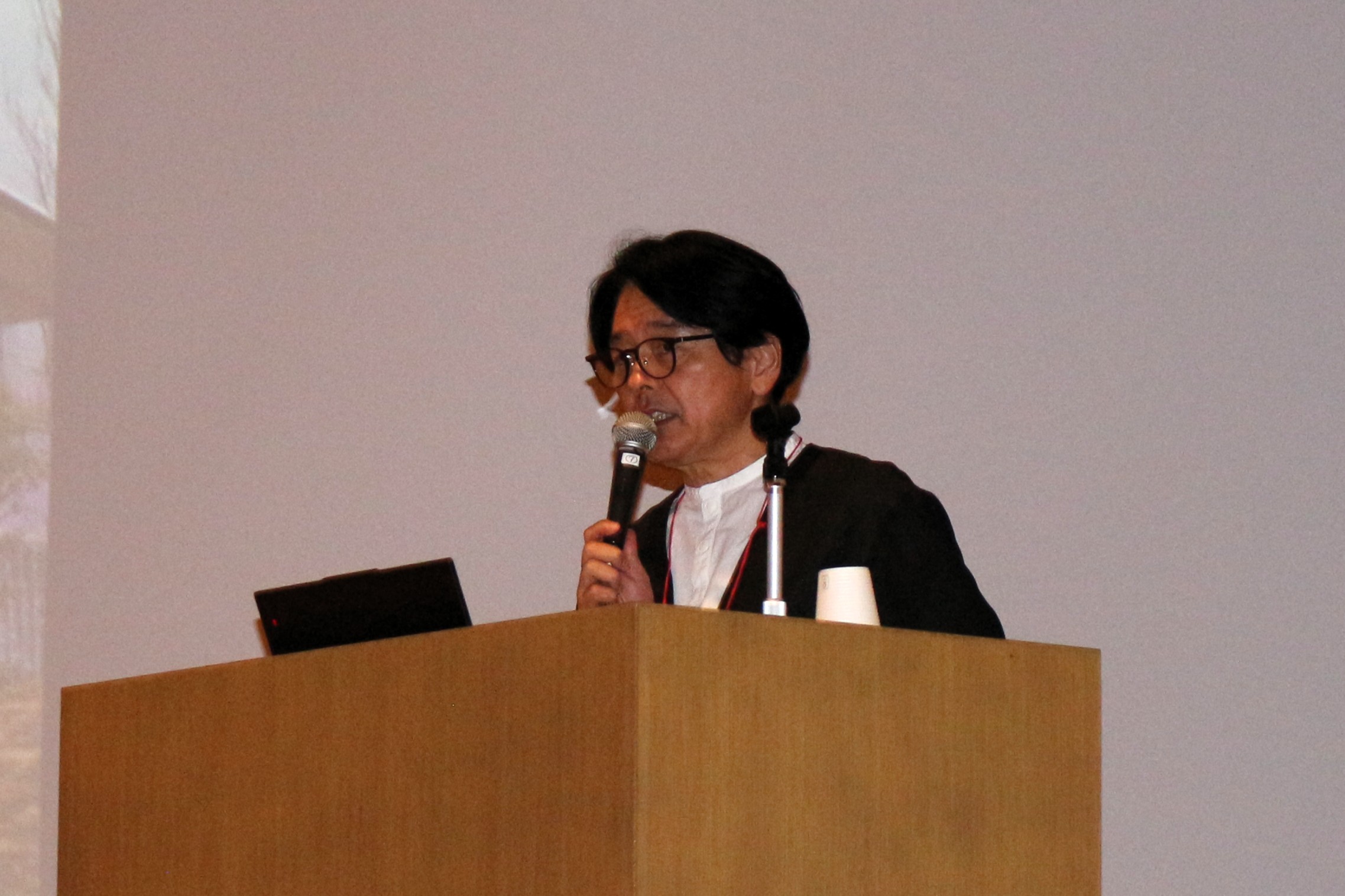
Akio Omori (President, Kyoai Gakuen Maebashi International University)
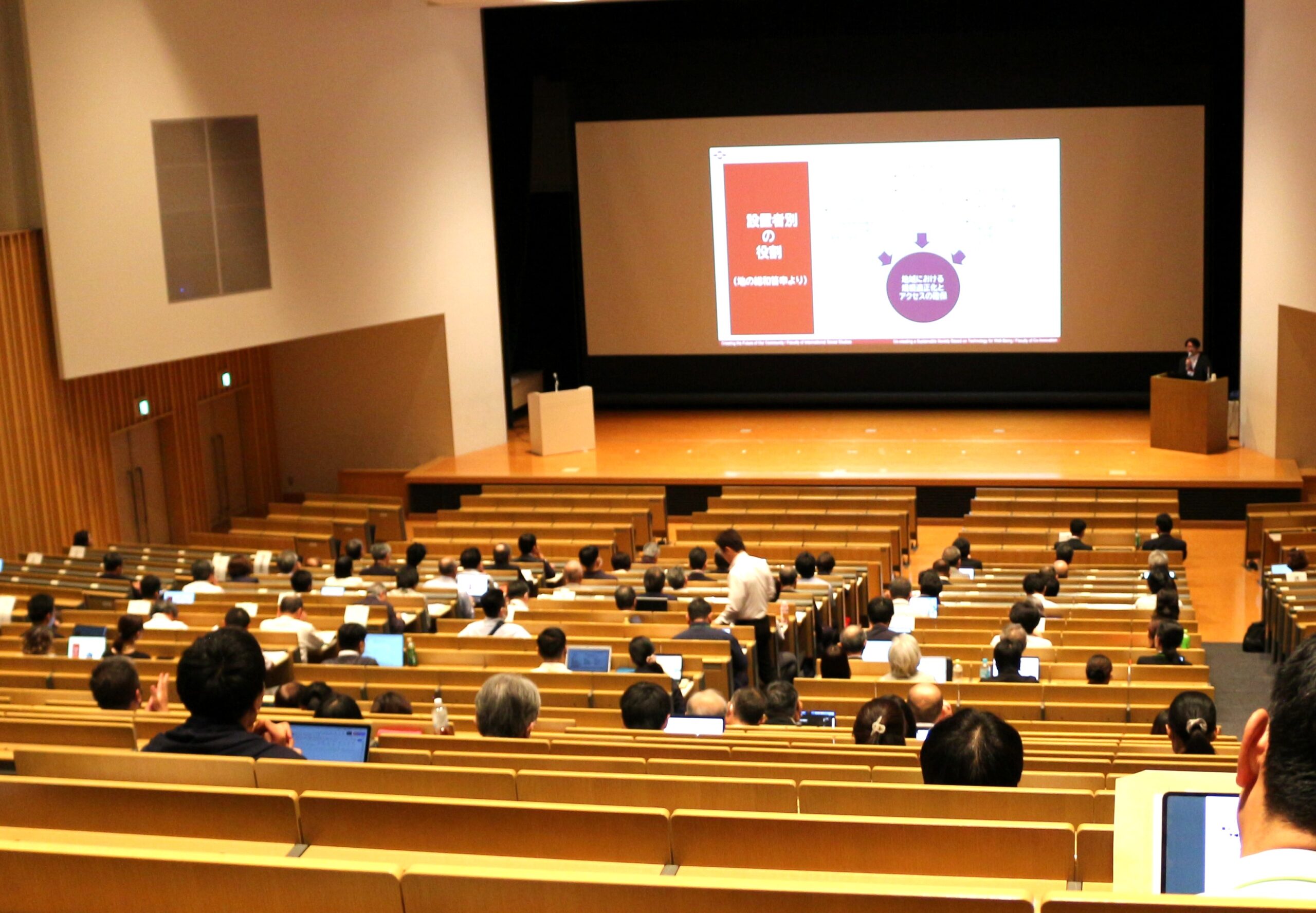
| ▼ Keynote Speaker: Akio Omori | ▼ Scenes from the keynote speech |
 |
 |
<Symposium>
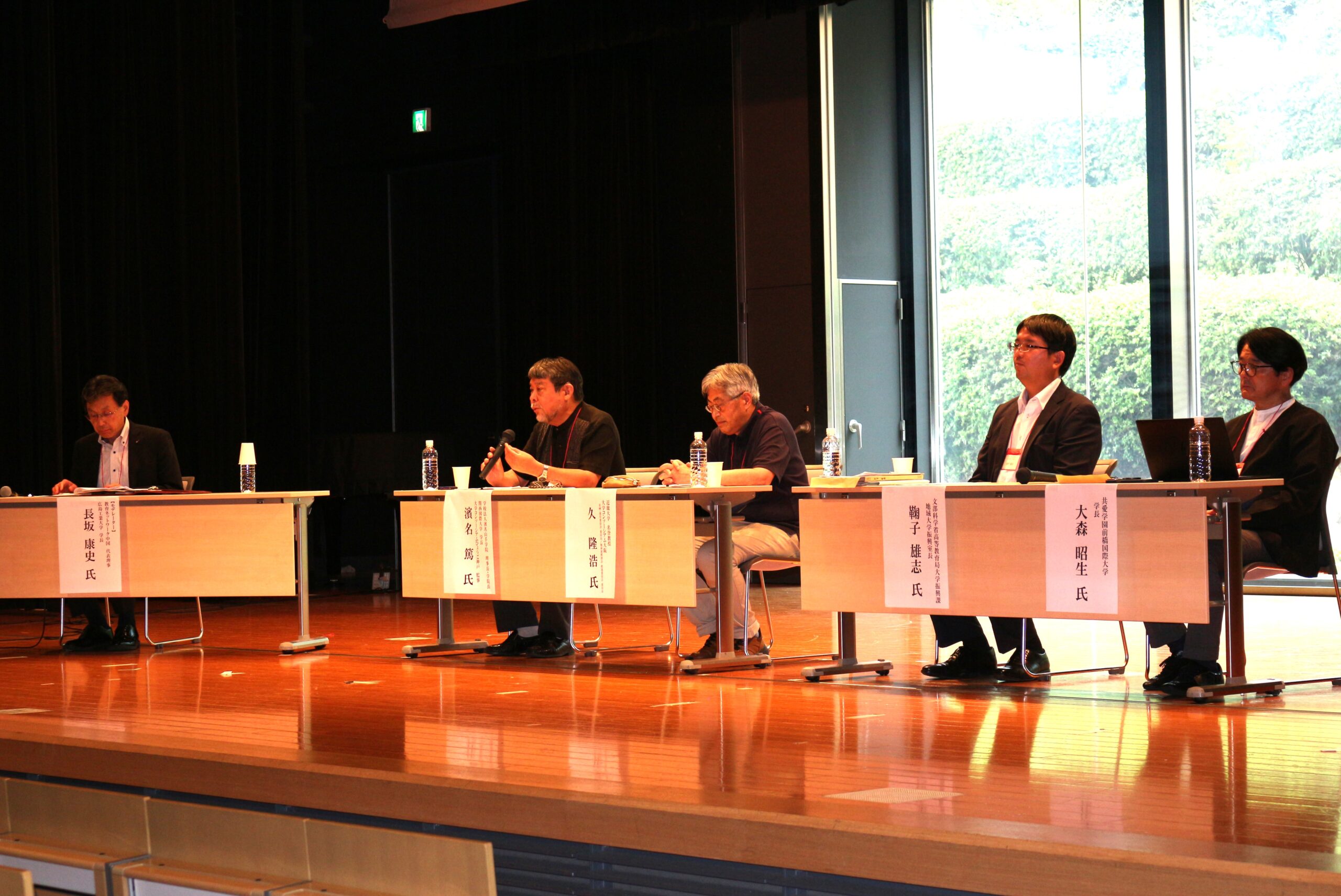
“Considering the Future of University Collaboration Consortia”
Moderator:
Yasushi Nagasaka (President of Hiroshima Institute of Technology, Representative Director of Education Network Chugoku, a general incorporated association)
≪Symposiasts≫
Atsushi Hamana (Chairman and President of Hamana Yamate Gakuin Educational Foundation, President of Kansai International University),
Takahiro Hisa (Professor Emeritus of Kinki University)
, Yuji Mariko (Director of Regional University Promotion Office, Higher Education Bureau, Ministry of Education, Culture, Sports, Science and Technology)
, Akio Omori (President of Kyoai Gakuen Maebashi International University)
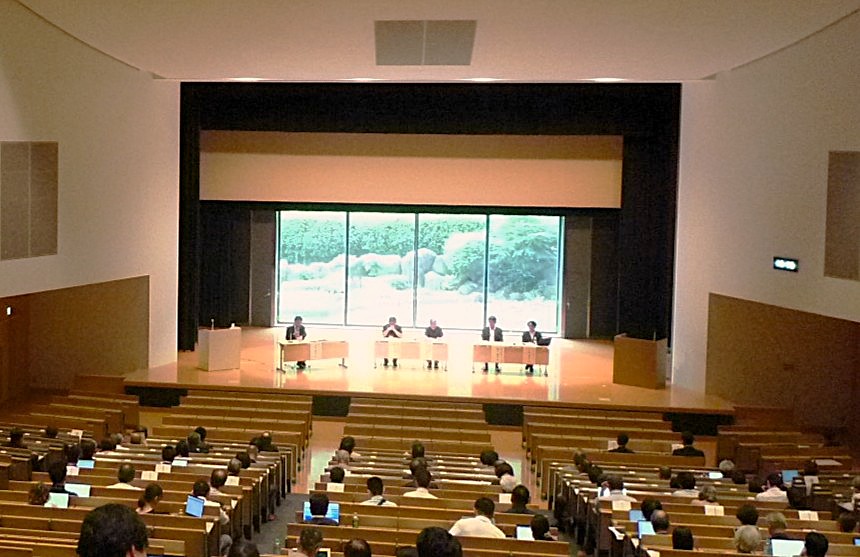
| ▼ Scenes from the symposium | |
 |
 |
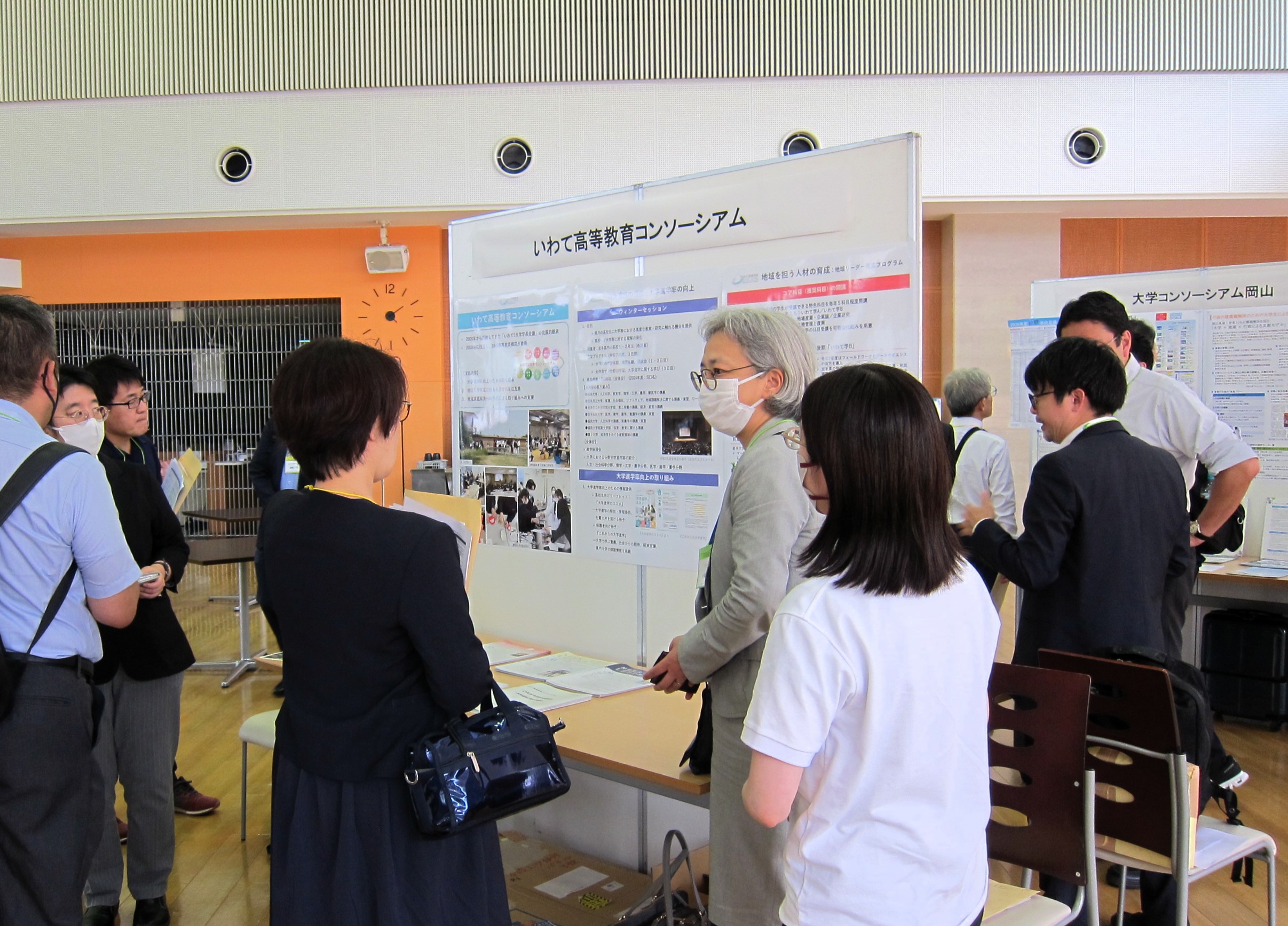
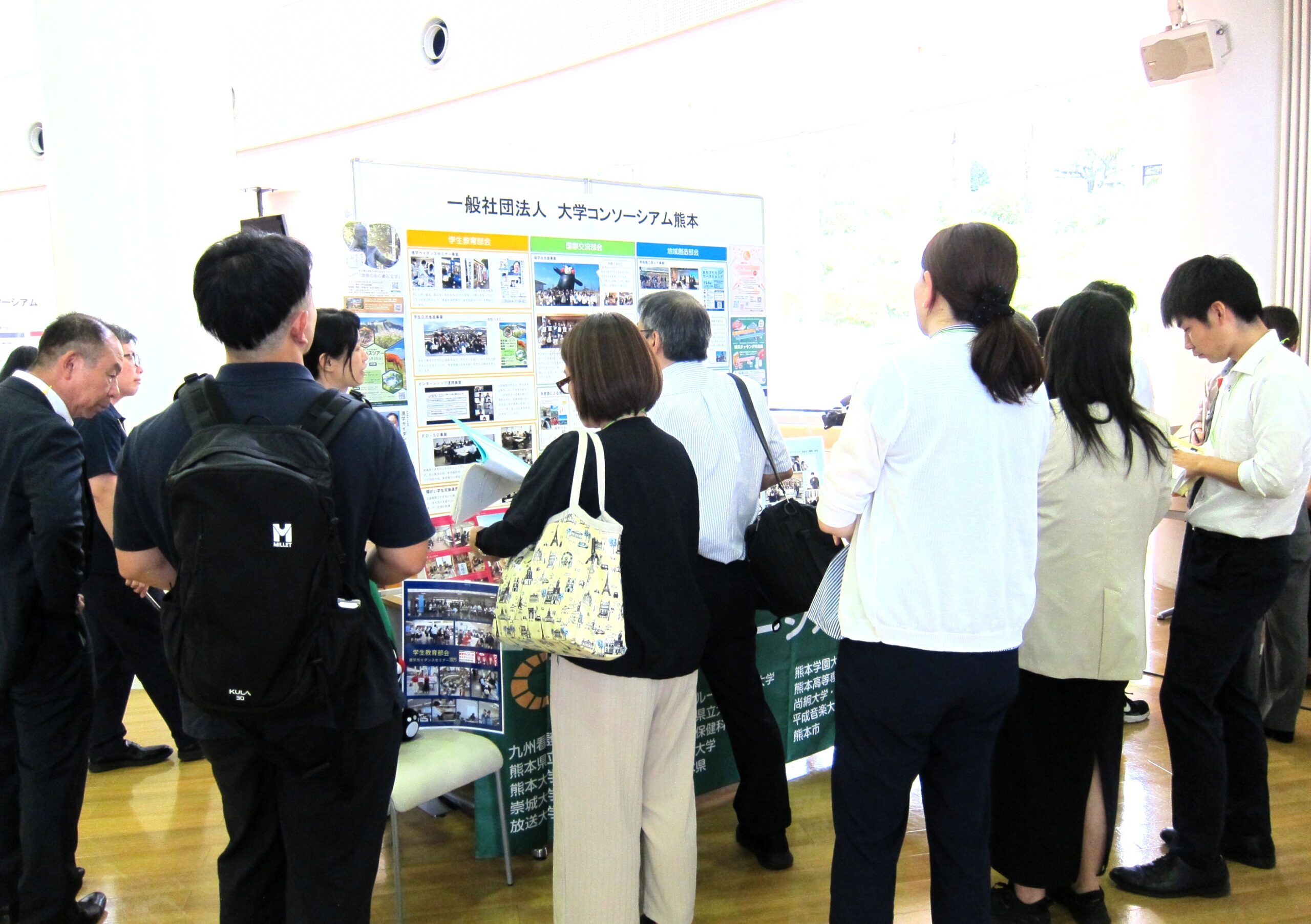
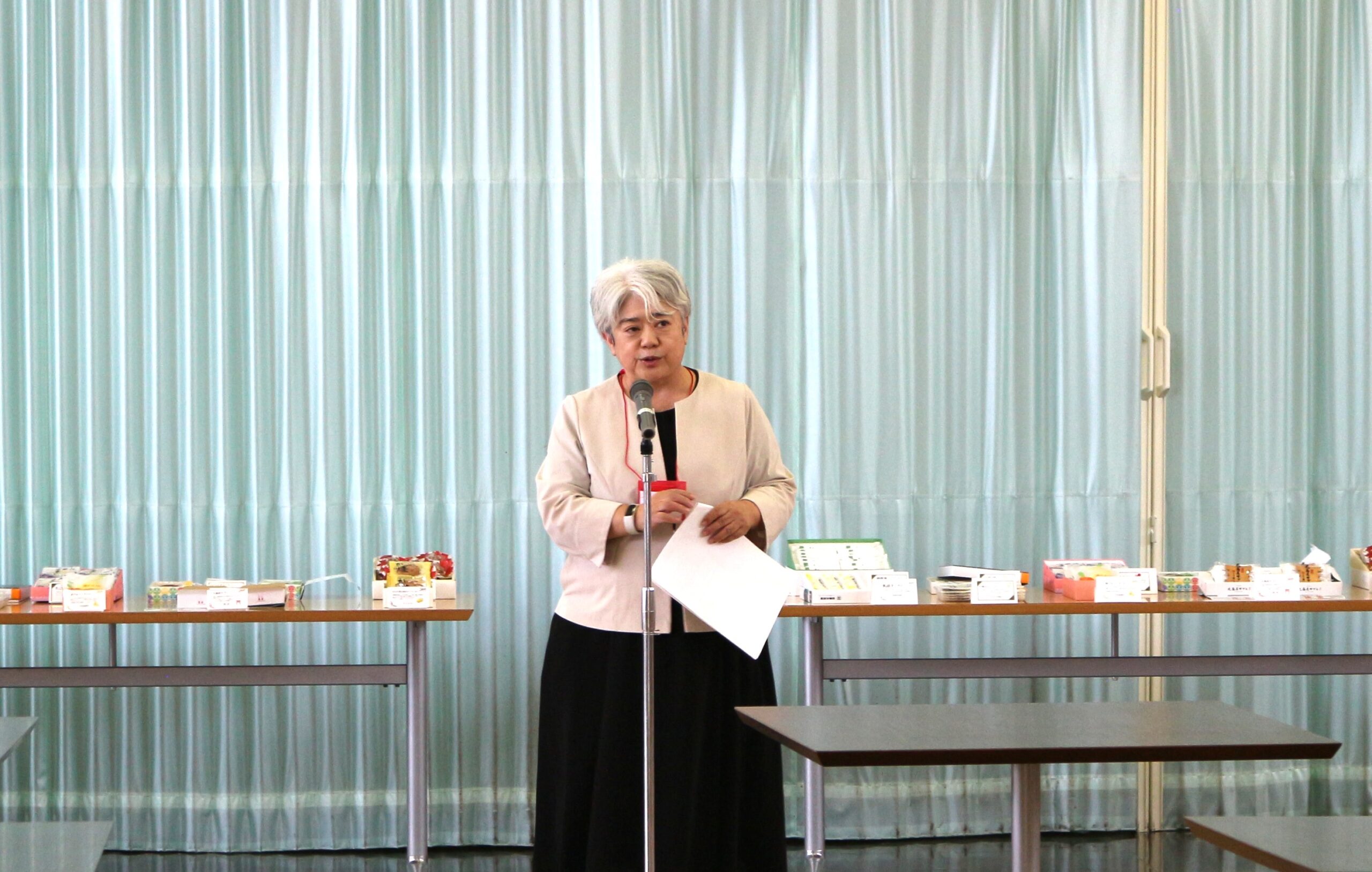
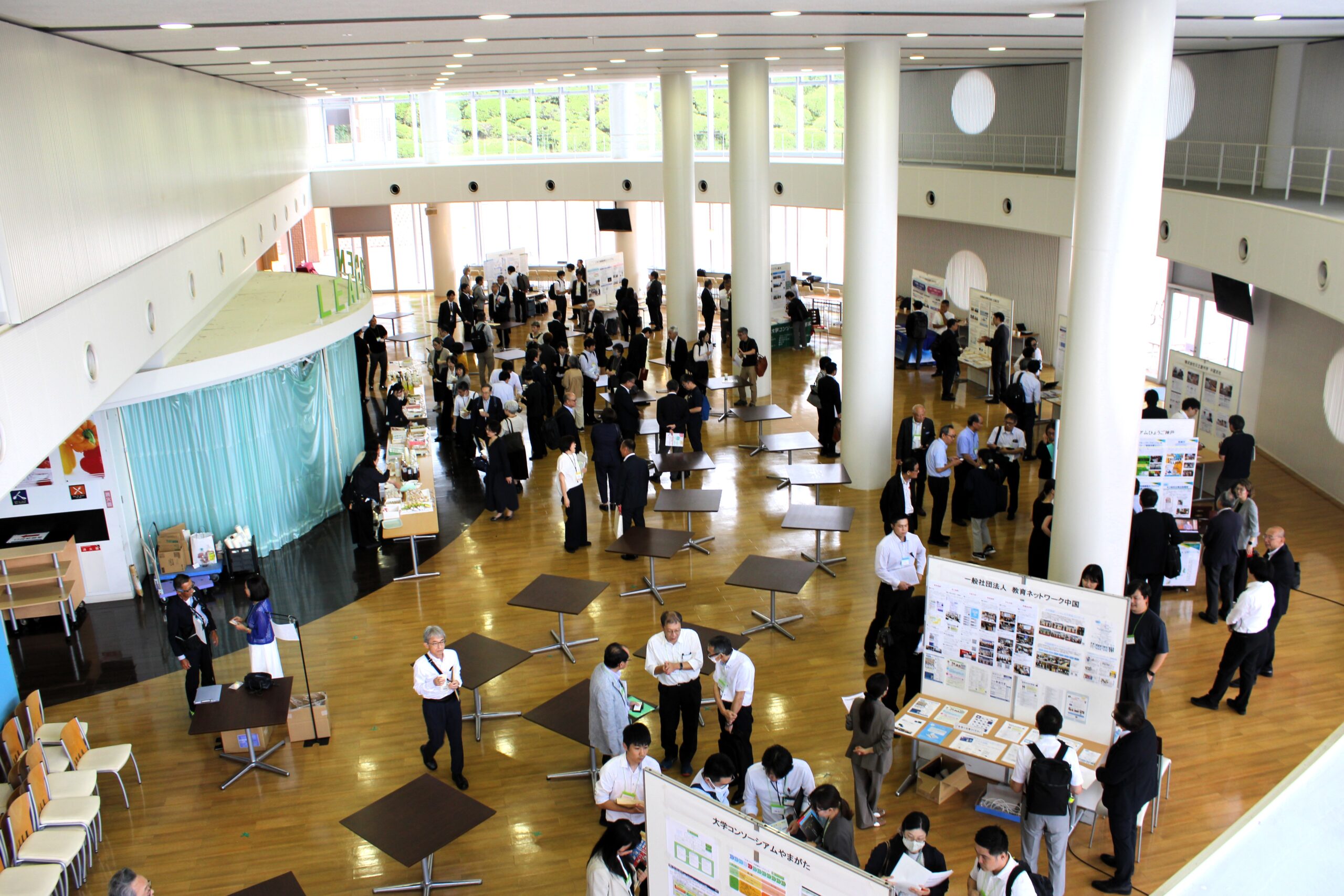
During the poster session, which featured 16 organizations, participants asked many questions about each organization’s initiatives, and at the networking event, there were many instances of active interaction between exhibitors and participants.
| ▼ Scenes from the poster session | |
 |
 |
| ▼ Scenes from the exchange event | |
 |
 |
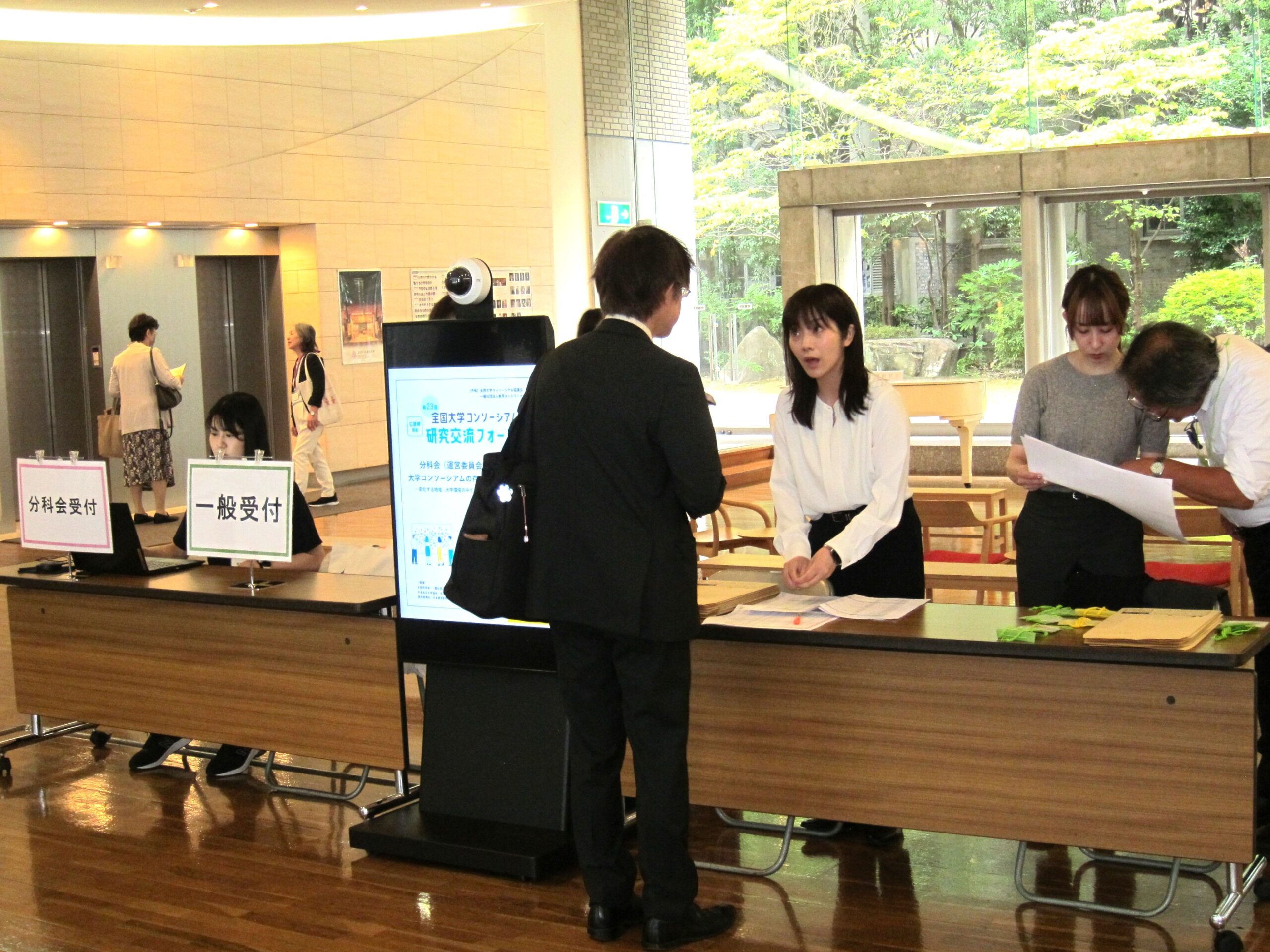
[Friday, September 11th]
| ▼ Elisabeth University of Music, Noborimachi Campus | |
 |
 |
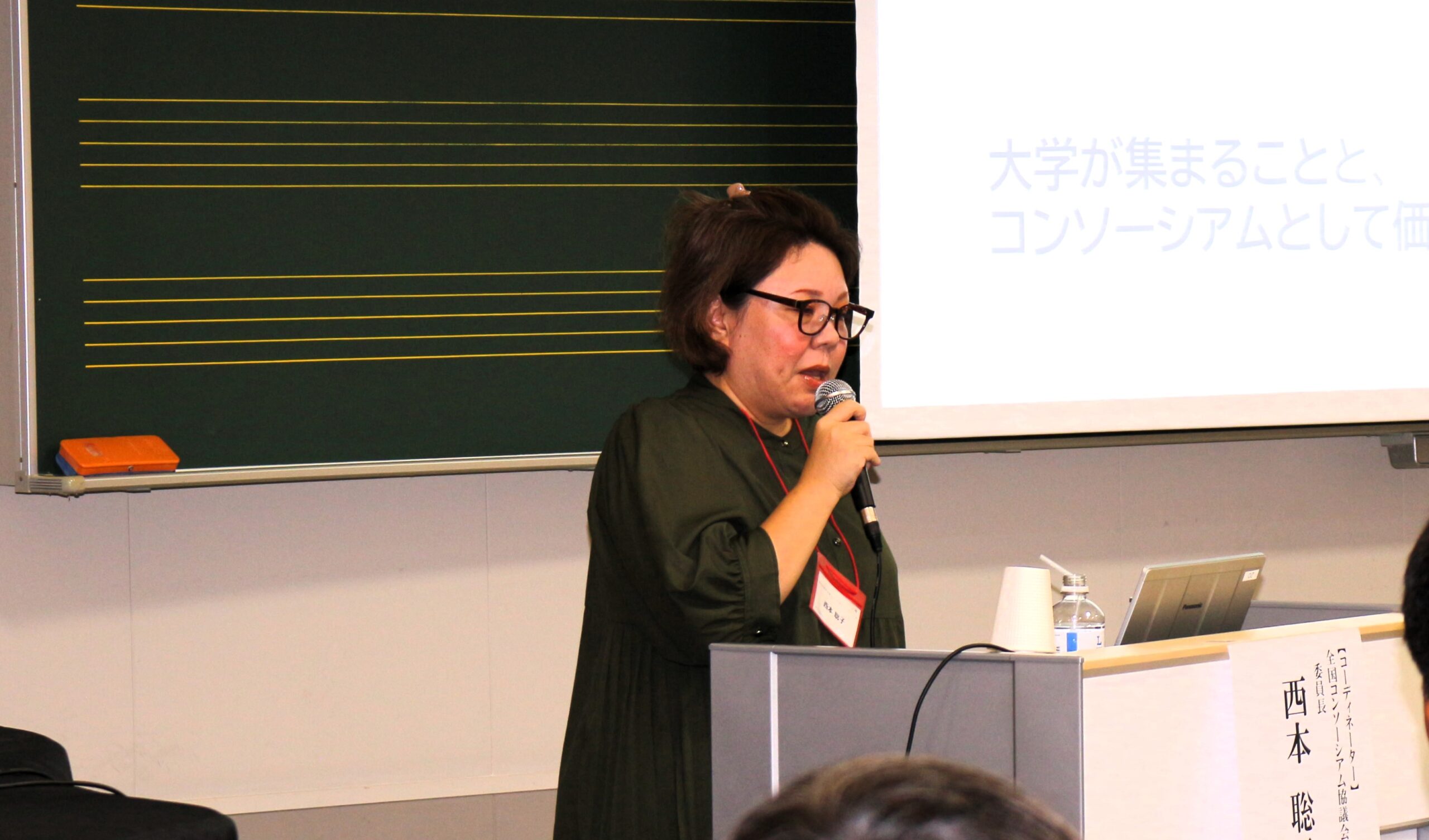
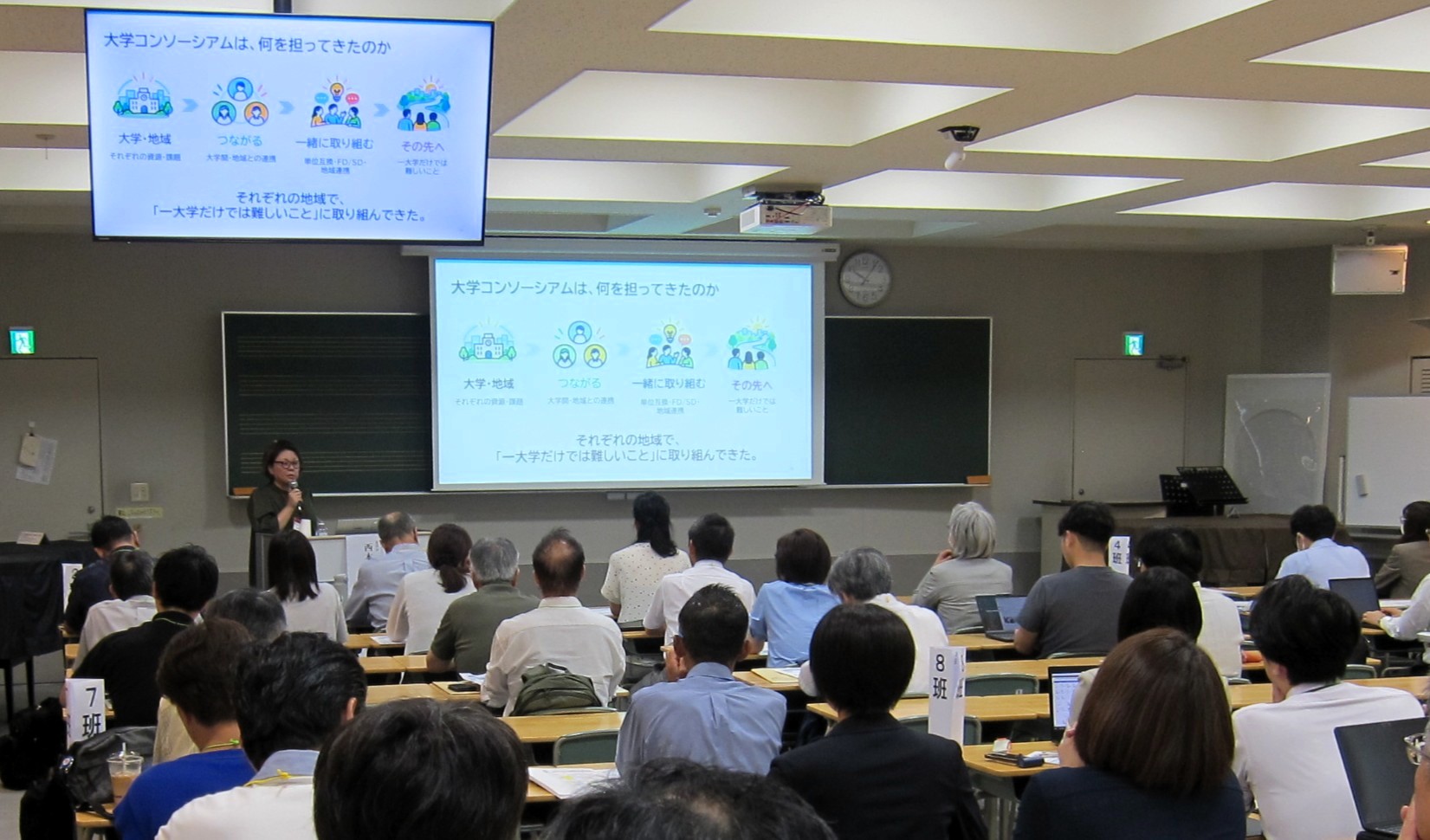
<Subcommittee Meeting> “Rethinking the Significance of University Consortia”
- Considering future visions and decision-making criteria in a changing regional and university environment –
<Coordinator>
Satoko Nishimoto (Chairperson, Steering Committee, National University Consortium Council)
| ▼ Subcommittee Coordinator : Satoko Nishimoto |
▼ Scenes from the subcommittee meeting |
 |
 |
We would like to express our sincere gratitude
to all the faculty and staff, as well as the members of each consortium, for their participation and warm cooperation .
Regarding next year’s forum, in order to further enhance its content,
we have decided to postpone its holding for the time being and request a “preparation and consideration period” for holding it in fiscal year 2028.
Further details will be announced on the Kyoto University Consortium official website as soon as they are decided,
so please look forward to them.
We sincerely ask for your continued understanding and
look forward to the day when we can meet again with smiles on our faces.
Thank you for your continued support.
Contact Information
National University Consortium Council Secretariat (located within the University Consortium Kyoto)
TEL 075-353-9100 FAX 075-353-9101
600-8216 Kyoto City, Shimogyo Ward, Nishinotoin-dori Shio-koji, Campus Plaza Kyoto
*Reception hours: Tuesday to Saturday 9:00 to 17:00 (excluding year-end and New Year holidays)