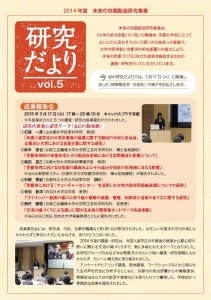





Heisei 27 Gakumachi Collaboration Project Gakumachi NEWS!
<h2>平成27年度 学まちコラボ事業の取組をご紹介します。</h2>
<p><span style=”font-size: 12pt;”>魅力ある地域づくりや地域の課題解決に向け、大学・学生が地域と協働で取り組む事業を募集し、優れた取り組みに対して助成支援を行う“学まちコラボ事業”。今年度の取組について進捗情報をお知らせします。</span></p>
<h3 id=”pageLink28″>【ご案内】都ライト実行委員新メンバー募集!</h3>
<p>新年度になりましたが、今日は平成27年度採択団体のひとつである『都ライト実行委員会』から、お知らせが届きましたのでご案内します。何か始めたいと思っている方!ぜひいかがですか?<br /><br /></p>
<p style=”text-align: center;”>————————————————————————<br />都ライト実行委員 新メンバー募集!! <br />————————————————————————</p>
<p>はじめまして、都ライト実行委員会です!<br />2016年で12年目を迎える都ライトでは、この春から一緒に活動する仲間を募集しています!<br />新メンバーの募集にあたり、説明会のご案内をさせていただきます。<br /><br />●都ライトとは…?<img class=”alignright size-medium wp-image-14523″ src=”https://www.consortium.or.jp/wp-content/uploads/seisaku/9953/miyako-light1-300×200.jpg” alt=”miyako-light1″ width=”300″ height=”200″ /><br />毎年秋に行われる上京区の上七軒や浄福寺通大黒町を中心としたエリアで行われる町家のライトアップイベントです。<br />その都ライトの企画・運営を行う実行委員会は、主に京都市内の大学に通う有志の学生で構成されています。<br />2015年度では、京都府立・立命館・同志社・京都産業・京都女子・龍谷・同志社女子の学生が実行委員として活動しました!<br /><br />都ライトに少しでも興味がある方、町家や地域に興味がある方、イベントの企画・運営に興味がある方、いろいろな大学に友達を増やしたい方、まずは一度【都ライト説明会】へお越しください!(´∇`)<br /><br />この春からも活動予定のメンバーが都ライトについてわかりやすく様々なことをお教えします。<br /><br />参加を希望される方はお手数ですが、説明会希望日時・氏名・大学名・今年度の学年・携帯番号・メールアドレスを明記し、下記のアドレスにメールを送信してください。<br /><br />よろしくお願い致します!</p>
<p>都ライトメールアドレス → miyako.light@gmail.com<br /><br />●【都ライト説明会】開催日程について~<img class=”alignright size-medium wp-image-14524″ src=”https://www.consortium.or.jp/wp-content/uploads/seisaku/9953/miyako-light2-300×200.jpg” alt=”miyako-light2″ width=”300″ height=”200″ /></p>
<p>4月7日 18:00~<br />4月8日 18:00~<br />4月9日 13:00~、16:00~<br />※各回、約1時間半を予定しております。<br />※ 集合場所等・詳しくは、<br />都ライトHP 実行委員募集ページをご覧ください。<br /><a href=”http://miyako-light.anewal.net/mainmenu/stuff/”>http://miyako-light.anewal.net/mainmenu/stuff/<br /><br /></a>ご質問などございましたらお気軽に都ライトメールアドレスまでご連絡ください。<br />皆さんのご参加お待ちしています!!</p>
<p>******************************************************************************<br />都ライトホームページ <img class=”alignnone wp-image-14522″ src=”https://www.consortium.or.jp/wp-content/uploads/seisaku/9953/miyako-light-300×300.png” alt=”miyako-light” width=”30″ height=”30″ /><br /><a href=”http://miyako-light.anewal.net/”>http://miyako-light.anewal.net/</a><br /><br />都ライトFacebook<br /><a href=”https://m.facebook.com/miyakolight”>https://m.facebook.com/miyakolight</a><br /><br />Facebookイベントページ<br /><a href=”https://www.facebook.com/events/973908999359554/”>https://www.facebook.com/events/973908999359554/</a><br /><br />都ライトTwitter<br /><a href=”https://mobile.twitter.com/miyako_light?ref_src=twsrc%5Etfw”>https://mobile.twitter.com/miyako_light?ref_src=twsrc%5Etfw</a><br />******************************************************************************</p>
<p style=”text-align: right;”>2016.4.7</p>
<h3 id=”pageLink27″>【ご案内】平成27年度 報告会を開催します!!</h3>
<p>今年度もあとわずか。これまで各事業団体の活動については、個々に情報発信を行い、14団体の活動を応援してきましたが、このたびその集大成として、各団体がこれまでの活動を振り返り、取組成果の発表を行う報告会を開催します!!<br /><br />学生による認定事業の報告から、大学と地域の新たな連携の可能性や地域活性化のヒントを見つけませんか?<br /><br />また当日は同時に来年度の募集説明会を行うほか、学まちコラボ事業に関わって得た学びをざっくばらんに語り合う場として、1日限定オープンの学まち交流カフェ(意見交換会・交流会)も開催します。<br /><br />どなたでも、どの時間からでもご参加いただけますので、ぜひご来場ください。<br /><br /><a href=”https://www.consortium.or.jp/wp-content/uploads/seisaku/9953/2015houkoku_chirashi.pdf”><img class=”alignleft wp-image-13451 size-medium” src=”https://www.consortium.or.jp/wp-content/uploads/seisaku/9953/2015houkoku_chirashi-211×300.png” alt=”2015houkoku_chirashi” width=”211″ height=”300″ /></a> <br /> <br /> <span style=”font-size: 12pt;”><平成27年度 学まちコラボ 報告会></span><br /> <br /> 日時:<span style=”font-size: 12pt;”>2016</span>年<span style=”font-size: 12pt;”>3</span>月<span style=”font-size: 12pt;”>27</span>日(日)10:00~17:00<br /> 場所:キャンパスプラザ京都5階第1講義室/2階ホール<br /> スケジュール:<a href=”https://www.consortium.or.jp/wp-content/uploads/seisaku/12465/gakumachi-hokoku-schedule.pdf”>【PDFリンク】</a></p>
<p><br /> ※詳しくはこちら↓↓↓<br /> <a href=”https://www.consortium.or.jp/seisaku/12465″>https://www.consortium.or.jp/seisaku/12465</a><br /><br /></p>
<p style=”text-align: right;”>2016.3.17</p>
<h3 id=”pageLink26″>【活動紹介】京都市立芸大生有志によるニコニコファミリーコンサート実行委員会<br /> ☆0歳からのオペラ『子どもと魔法』</h3>
<p><img class=”alignright wp-image-12894″ src=”https://www.consortium.or.jp/wp-content/uploads/seisaku/9953/12342694_984119251645750_9069172666897971748_n-300×277.jpg” alt=”12342694_984119251645750_9069172666897971748_n” width=”244″ height=”225″ />ニコニコファミリーコンサート実行委員会は、右京区「ほっこりスペース」や下京区「フレンドリーハウス西八条」を中心に、そこで親子を対象とした音楽会・音楽ワークショップを継続的に行い、親子がくつろぎ繋がりあえるような場づくりを目指す活動をされています。</p>
<p>その活動は2013年5月から始まり、もうすぐ3年。今年度も数多くのイベントやワークショップが開催されてきました。今回はその集大成として開催されるコンサートの案内が届きましたので、ご案内します。</p>
<p>内容は、☆0歳からのオペラ~M.ラヴェル『子どもと魔法』(日本語公演)と題し、ニコニコファミリーコンサート実行委員会のメンバーと卒業生有志が様々なキャストに扮して、ピアノや打楽器の演奏とともに、ステージを盛り上げます。</p>
<p>「勉強なんてしたくない!」とママの言いつけをやぶってイタズラばかりする男の子に、イタズラをされた家具やポットたちが動きだす、ちょっぴり怖いファンタジーオペラ。題目にもあるように、0歳から大人まで楽しめるコンサートが企画されています。</p>
<p>ご興味ある方はぜひご来場ください。</p>
<p><span style=”font-size: 12pt;”><strong><a href=”https://www.consortium.or.jp/wp-content/uploads/seisaku/9953/12801163_1024216780969330_2559312744767740746_n.jpg”><img class=”alignleft wp-image-12895″ src=”https://www.consortium.or.jp/wp-content/uploads/seisaku/9953/12801163_1024216780969330_2559312744767740746_n-212×300.jpg” alt=”12801163_1024216780969330_2559312744767740746_n” width=”205″ height=”290″ /></a>京芸生有志による0歳からのオペラ</strong></span><br /><span style=”font-size: 12pt;”><strong>M.ラヴェル作曲「子供と魔法」(日本語公演)</strong></span></p>
<p> 日時:2016年3月13日(日)14時開演(13時半開場)<br />場所:京都市西文化会館ウエスティ<br />協力:京都芸大キャリアデザインセンター<br />申込:先着順で予約受付中です。<br /> 詳しくはこちら(<a href=”https://www.consortium.or.jp/wp-content/uploads/seisaku/9953/12321596_1024216777635997_178324654845989470_n.jpg”>ちらし裏面リンク</a>)をご覧ください。<br /> またお問い合わせはこちら(<a href=”mailto:2525famicon@gmail.com”>2525famicon■gmail.com</a>)まで。<br /> ※■を@に変更して送信してください。</p>
<p>********************************************************************************<br />「ニコニコファミリーコンサート実行委員会」のこれまでの取り組み紹介や情報はこちらをご覧ください。<br />ニコニコファミリーコンサート実行委員会 facebook:<a href=”https://ja-jp.facebook.com/2525familyconcert”>https://ja-jp.facebook.com/2525familyconcert</a><br />********************************************************************************</p>
<p style=”text-align: right;”>2016.3.4</p>
<h3 id=”pageLink25″>【報告】京都光華女子大学・光華三条ガールズ「京都三条会商店街寺子屋事業」</h3>
<p>2月13日(土)、京都市中京区にある京都三条会商店街の三条会寺子屋で開催された『寺子屋感謝祭』に行ってきました。</p>
<p>このイベントは、三条会商店街が好きで、子供たちが好きで、寺子屋で活動している光華女子大学の学生団体「光華三条ガールズ」のみなさんが、子供にとっては遊び場や学び場として、また地域の方々にとってはコミュニティの場の一つとなる「交流の場」をもつためにと開催されたものです。これまでにも月1回のペースで開催されており、今回はこれからの季節にぴったりなメッセージカードや写真立てづくり、またお雛様やバレンタインに因んだクラフト体験など、盛り沢山の企画内容でした。</p>
<p>当日は生憎の雨で参加も少なかったようですが、参加された方からは楽しかった、また遊びに来たいとの声が寄せられ、嬉しそうに作った写真立てやお雛様を持ち帰られる様子が伺えました。</p>
<img class=”wp-image-12486″ src=”https://www.consortium.or.jp/wp-content/uploads/seisaku/9953/P1190267-225×300.jpg” alt=”活動場所の入口に立てられた案内看板” width=”131″ height=”175″ /> 活動場所の入口に立てられた案内看板
<img class=”wp-image-12487″ src=”https://www.consortium.or.jp/wp-content/uploads/seisaku/9953/P1190270-300×225.jpg” alt=”体験の様子(参加者、地域の方、メンバーで)” width=”267″ height=”200″ /> 体験の様子(参加者、地域の方、メンバーで)
<img class=”wp-image-12488″ src=”https://www.consortium.or.jp/wp-content/uploads/seisaku/9953/P1190295-225×300.jpg” alt=”出来上がり!!” width=”150″ height=”200″ /> 出来上がり!!
<p> </p>
<p> </p>
<p> </p>
<p><br /><br /><br /><br /><br /><br />また、これまでの寺子屋事業の様々な体験の中で参加者と作成されたものを生かしたビッグアートがこの日より商店街の寺子屋前にお披露目。ちょうどその吊り上げられる時に遭遇できました。</p>
<p>地域の方々と協力し、見事に完成したビッグアートは、今日からしばらくの間、飾られています。ぜひ三条会商店街で見つけてみてください。</p>
<img class=”wp-image-12489″ src=”https://www.consortium.or.jp/wp-content/uploads/seisaku/9953/P1190276-225×300.jpg” alt=”地域の方にご協力いただき、ビッグアートの吊り作業の様子” width=”169″ height=”225″ /> 地域の方にご協力いただき、ビッグアートの吊り作業の様子
<img class=”wp-image-12490″ src=”https://www.consortium.or.jp/wp-content/uploads/seisaku/9953/P1190289-300×225.jpg” alt=”吊り下げられたビッグアート” width=”240″ height=”180″ /> 吊り下げられたビッグアート
<a href=”https://www.consortium.or.jp/wp-content/uploads/seisaku/9953/chirashi_kokagirls.pdf”><img class=”wp-image-12491″ src=”https://www.consortium.or.jp/wp-content/uploads/seisaku/9953/chirashi_kokagirls-217×300.png” alt=”活動案内ちらし” width=”145″ height=”200″ /></a> 活動案内ちらし
<p> </p>
<p> </p>
<p>********************************************************************************<br />「光華三条ガールズ」の取組は、下記のホームページで紹介されています。<br />京都光華女子大学 地域連携推進センター <a href=”http://www.koka.ac.jp/crc/index.html”>http://www.koka.ac.jp/crc/index.html</a><br />京都三条会商店街 <a href=”http://sanjokai.kyoto.jp/?p=2615″>http://sanjokai.kyoto.jp/?p=2615</a><br />********************************************************************************</p>
<p style=”text-align: right;”>2016.2.17</p>
<h3 id=”pageLink24″>【報告】京都経済短期大学・地域と大学の共生プロジェクト「竹の里わくわくマルシェ」</h3>
<p>遅れた報告が続きますが、11月8日(日)、京都市西京区の竹の里センター広場・竹の里会館で開催された『竹の里わくわくマルシェ』に行ってきました。今日はその様子をご報告します。</p>
<p>このイベントは、高齢化の進む「洛西ニュータウン」において、学生が地域と協働で企画し、開催されたものです。この日は生憎の雨でしたが、会場内にはイベントを楽しみに来られた地域の方々が、出店されたパンやカレーライスなどを食しながらお話しをする様子や、企画された報告・講演会に参加するなど、賑わいがうかがえました。</p>
<img class=”wp-image-12210 size-medium” src=”https://www.consortium.or.jp/wp-content/uploads/seisaku/9953/DSCN1116-300×225.jpg” alt=”DSCN1116″ width=”300″ height=”225″ /> 雨のため、屋内での出店の様子
<img class=”wp-image-12211 size-medium” src=”https://www.consortium.or.jp/wp-content/uploads/seisaku/9953/DSCN1120-300×225.jpg” alt=”DSCN1120″ width=”300″ height=”225″ /> 元アナウンサーによるスライドショー講演の様子
<p>京都経済短期大学・地域と大学の共生プロジェクトでは、これまでも学生と話をしながら昼食を楽しむ会や留学生による中国語講座など、様々な高齢者の「居場所づくり」や「繋がりづくり」の機会が行われてきました。またアンケート調査も行い、買い物の取次事業を始めるなど、地域の抱えている諸課題を見つけ、解決に向けた取組が進められています。</p>
<img class=”wp-image-12209 size-medium” src=”https://www.consortium.or.jp/wp-content/uploads/seisaku/9953/DSCN1110-300×225.jpg” alt=”DSCN1110″ width=”300″ height=”225″ /> 地域と大学の共生プロジェクトチームのみなさん
<img class=”wp-image-12208 size-medium” src=”https://www.consortium.or.jp/wp-content/uploads/seisaku/9953/DSCN1107-300×225.jpg” alt=”DSCN1107″ width=”300″ height=”225″ /> 主な活動の拠点となっている「わくわくサロン」
<p>********************************************************************************<br />「京都経済短期大学・地域と大学の共生プロジェクト」が運営協力を行う<br /> 特定非営利活動法人 洛西福祉ネットワーク「わくわくサロン」のホームページ<br /> <a href=”http://rakusai-fukusinet.life.coocan.jp/index.html”>http://rakusai-fukusinet.life.coocan.jp/index.html</a><br />********************************************************************************</p>
<p style=”text-align: right;”>2016.1.13</p>
<h3 id=”pageLink23″>【報告】都ライト実行委員会「都ライト’15」</h3>
<p>ずいぶん遅れましたが、11月6日(金)、7日(土)、8日(日)、京都市上京区の浄福寺通大黒町および上七軒通周辺で開催された「都ライト’15」に行ってきました。今回はその様子をご報告します。</p>
<p>このイベントは、上京区を中心に活動を続ける都ライト実行委員会が、町家の保全と町や地域に興味を持ってもらうことを目的に、2005年から開催し、今回で11回目となります。</p>
<p>町家から漏れてくるキレイな灯りはもちろん、街には子供たちを中心とした地域の方々と一緒に作られた手作り行灯が至るところに置かれ、まちゆく人を楽しませていました。またライトアップに合わせ、京都や日本の文化にまつわる様々な展示や体験企画なども行われました。</p>
<img class=”size-medium wp-image-12086″ src=”https://www.consortium.or.jp/wp-content/uploads/seisaku/9953/DSCN1035-225×300.jpg” alt=”町家ライトアップの様子” width=”225″ height=”300″ /> 町家ライトアップの様子
<img class=”size-medium wp-image-12087″ src=”https://www.consortium.or.jp/wp-content/uploads/seisaku/9953/DSCN1029-225×300.jpg” alt=”ステンドグラスの製作体験も” width=”225″ height=”300″ /> ステンドグラスの製作体験も
<img class=”size-medium wp-image-12088″ src=”https://www.consortium.or.jp/wp-content/uploads/seisaku/9953/DSCN1044-300×225.jpg” alt=”街中に置かれた行灯” width=”300″ height=”225″ /> 街中に置かれた行灯
<img class=”wp-image-12089 size-medium” src=”https://www.consortium.or.jp/wp-content/uploads/seisaku/9953/DSCN1057-300×225.jpg” alt=”翔鸞小学校三年生と作成された翔鸞地区のミニチュア模型ライトアップ展示の様子” width=”300″ height=”225″ /> 翔鸞小学校三年生と作成された<br /> 翔鸞地区のミニチュア模型ライトアップ展示の様子
<img class=”size-medium wp-image-12092″ src=”https://www.consortium.or.jp/wp-content/uploads/seisaku/9953/4-300×200.jpg” alt=”町家の魅力を伝える 絵本の読み聞かせの様子 ” width=”300″ height=”200″ /> 町家の魅力を伝える<br />絵本の読み聞かせの様子
<p> </p>
<img class=”size-medium wp-image-12093″ src=”https://www.consortium.or.jp/wp-content/uploads/seisaku/9953/6-300×225.jpg” alt=”チンチン電車の被り物をして 会場を回る「電車ごっこツアー」” width=”300″ height=”225″ /> チンチン電車の被り物をして<br />会場を回る「電車ごっこツアー」
<p> </p>
<p> </p>
<p> </p>
<p> </p>
<p> </p>
<p><br /><br /><br /><br /><br /><br /><br /><br /><br /><br /><br /><br /><br /><br /><br /><br /><br /><br /><br /><br /><br /><br /><br />日本で唯一、京都には2万件とも3万件ともいわれる町家が<img class=”size-medium wp-image-12095 alignright” src=”https://www.consortium.or.jp/wp-content/uploads/seisaku/9953/akemashite-300×197.png” alt=”akemashite” width=”300″ height=”197″ /><br />残っているそうですが、建築や住まいのあり方の変化とともにその数は減りつづけているといいます。<br />都ライト実行委員会では、「町家の良さをたくさんの人に伝えたい」「京都の地域やまちの魅力を発信したい」「地域を学生の力で盛り上げたい」など、様々な目標を持って集まった有志学生が、町家を後世に残すひとつの力となることを信じて、地域とのつながりを大切にしながら、今回も活動が繰り広げられました。</p>
<img class=”size-medium wp-image-12090″ src=”https://www.consortium.or.jp/wp-content/uploads/seisaku/9953/DSCN1080-300×225.jpg” alt=”都ライト実行委員会のみなさん” width=”300″ height=”225″ /> 都ライト実行委員会のみなさん
<img class=”wp-image-12091 size-medium” src=”https://www.consortium.or.jp/wp-content/uploads/seisaku/9953/DSCN1079-300×225.jpg” alt=”実行委員33名、当日スタッフは約80人、来場者数はなんと1500人だったそうです。” width=”300″ height=”225″ /> 実行委員33人に加え、当日スタッフは約80人、<br /> 来場者数はなんと1500人だったそうです。
<p> </p>
<p>********************************************************************************<br />「都ライト実行委員会」のこれまでの取り組み紹介や情報はこちらをご覧ください。<br /> 都ライトホームページ:<a href=”http://miyako-light.anewal.net/”>http://miyako-light.anewal.net/<br /></a>********************************************************************************</p>
<p style=”text-align: right;”>2016.1.6</p>
<h3 id=”pageLink22″>【報告】京都精華大学京北宇津宝さがし会「第3回秋こども写真教室」</h3>
<p>京都市右京区京北町宇津地域において、地域の宝(自然、人、技術、伝統、歴史など)さがしを通じた地域の活性化を目指す活動サークル「京北宇津宝さがし会」からまたまた活動報告が届きましたのでご紹介します。<br /><br /> 11月7日、京北宇津宝探し会主催で、宇津こども写真教室が開催されました。今回は人数もぐっと増え、なんと15人もの子供達が参加してくれました。今回は生憎にも曇りでしたが、終始雨も降らず撮る事が出来ました。前回、前々回に引き続き、今回も京都精華大学で写真と映像を専門に教鞭を執る亀村俊二先生にご指導頂きました。<br /><br />秋ならではの風景が</p>
<p><img class=”alignleft size-medium wp-image-12057″ src=”https://www.consortium.or.jp/wp-content/uploads/seisaku/9953/utsu1-300×199.jpg” alt=”utsu1″ width=”300″ height=”199″ /></p>
<p><img class=”alignleft size-medium wp-image-12058″ src=”https://www.consortium.or.jp/wp-content/uploads/seisaku/9953/utsu2-300×168.jpg” alt=”utsu2″ width=”300″ height=”168″ /><br /><br /><br /><br /><br /><br /><br /><br /><br />子供達から大人気のオナモミ</p>
<p><img class=”alignleft size-medium wp-image-12059″ src=”https://www.consortium.or.jp/wp-content/uploads/seisaku/9953/utsu3-168×300.jpg” alt=”utsu3″ width=”168″ height=”300″ /></p>
<p><img class=”alignleft size-medium wp-image-12060″ src=”https://www.consortium.or.jp/wp-content/uploads/seisaku/9953/utsu4-168×300.jpg” alt=”utsu4″ width=”168″ height=”300″ /><br /><br /><br /><br /><br /><br /><br /><br /><br /><br /><br /><br /><br />少し公園で遊んだりも…<br />今回も水分補給や休憩はバッチリ</p>
<p><img class=”alignleft size-medium wp-image-12061″ src=”https://www.consortium.or.jp/wp-content/uploads/seisaku/9953/utsu5-300×225.jpg” alt=”utsu5″ width=”300″ height=”225″ /> </p>
<p><br /><br /><br /><br /><br /><br /><br /><br /><br />最後には、子供達の撮った写真に亀村先生から講評を頂きました。自分が撮った写真に興奮したり、友達が撮った写真にコメントをしたりと、みんな真剣に亀村先生の講評を聞いていました。。﷽﷽﷽﷽﷽﷽﷽﷽﷽﷽﷽﷽﷽﷽﷽﷽</p>
<p>また11月8日には、2チームに別れて資料整理とハイキングコースの下見を行いました。 </p>
<p>資料整理は大量にあった山ばとは終わりましたが、まだまだ終わる気配はありません。コツコツと少しずつ終わらせていきたいと思います。</p>
<p><img class=”alignleft size-medium wp-image-12062″ src=”https://www.consortium.or.jp/wp-content/uploads/seisaku/9953/utsu6-300×199.jpg” alt=”utsu6″ width=”300″ height=”199″ /></p>
<p><br /><br /><br /><br /><br /><br /><br /><br /><br />ハイキングコースチームは、コース作りの拠点地を決める為に常照皇寺とらふ工房の2チームに別れてリサーチをしました。この場所を拠点としてハイキングコースを作れないか検討中です。</p>
<p><img class=”alignleft size-medium wp-image-12063″ src=”https://www.consortium.or.jp/wp-content/uploads/seisaku/9953/utsu7-300×225.jpg” alt=”utsu7″ width=”300″ height=”225″ /></p>
<p><br /><br /><br /><br /><br /><br /><br /><br /><br /><br />これから両チーム共々作業を続け、皆様の元に出せるよう、死力を尽くしていきたいと思います。</p>
<p>********************************************************************************<br />これまでの取り組み紹介や情報など、詳細はこちらをご覧ください。<br />京都精華大学 京北宇津宝さがし会ホームページ:<a href=”http://seika-keihoku.com/”>http://seika-keihoku.com/</a><br />********************************************************************************</p>
<p style=”text-align: right;”>2015.12.26</p>
<h3 id=”pageLink21″>【活動紹介】龍谷大学・東高瀬川の環境保護と地蔵盆プロジェクト</h3>
<p>龍谷大学窪田ゼミのメンバーで構成される「龍谷大学・東高瀬川の環境保護と地蔵盆プロジェクトチーム」がこのたび、11月15日に京都市長から「きょうと地域力アップ貢献事業者等」の表彰を受けたとの報告が届きましたのでご紹介します。<br /><br /> 「きょうと地域力アップ貢献事業者等表彰制度」とは、京都市が平成26年度から、地域コミュニティ活性化を一層推進することを目的に,地域力の向上に貢献している事業者やNPO法人、大学等を表彰する取組です。<br /><br />「龍谷大学・東高瀬川の環境保護と地蔵盆プロジェクト」では、プロジェクトメンバーの学生が、地蔵盆当日のイベントだけでなく、環境問題の取り組みとして、砂川学区自治連合会や川久保町自治会と連携し、川久保町を流れる東高瀬川の清掃活動を実施しました。東高瀬川は、川久保町地蔵盆の借景となるメイン会場で、清掃活動と草刈りは、学生の参加により昨年より短時間で終了したそうです。また、2日間の地蔵盆もイベント企画の段階から参画できたので、地域の方から喜んでいただきました。<br /><br />さらに、地蔵盆前の東高瀬川清掃と草刈りだけでなく、毎年11月に実施されている「東高瀬川清掃活動」にも、地域の方々、高校生や小学生と共に、このメンバーが参加。<br /><br />このような取り組みを通して、学生が地域活動の一助になっているとともに、地域活動への参加の機運が高まり、地域コミュニティの活性化に寄与していると賞賛を得ることができました。とのこと。<br /><br />学生も地域の一員として、イベント参加だけでなく、地域の環境問題を通して景観や交通、防災等にも関心を拡げることができれば、どこの地域においても活性化と同時に学生の学びにつながるのではないでしょうか。</p>
<img class=”size-medium wp-image-11939″ src=”https://www.consortium.or.jp/wp-content/uploads/seisaku/9953/DSC06993-300×199.jpg” alt=”表彰の様子” width=”300″ height=”199″ /> 表彰の様子
<img class=”size-medium wp-image-11940″ src=”https://www.consortium.or.jp/wp-content/uploads/seisaku/9953/DSC06997-300×199.jpg” alt=”「龍谷大学・東高瀬川の環境保護と地蔵盆プロジェクト」のメンバー” width=”300″ height=”199″ /> 「龍谷大学・東高瀬川の環境保護と地蔵盆プロジェクト」のメンバー
<img class=”size-medium wp-image-11941″ src=”https://www.consortium.or.jp/wp-content/uploads/seisaku/9953/DSCN0668-300×225.jpg” alt=”地蔵盆で地域の方と” width=”300″ height=”225″ /> 地蔵盆で地域の方と
<p><img class=”alignleft wp-image-11942″ src=”https://www.consortium.or.jp/wp-content/uploads/seisaku/9953/151220machiko-300×275.png” alt=”151220machiko” width=”245″ height=”225″ /></p>
<p> </p>
<p> </p>
<p> </p>
<p> </p>
<p> </p>
<p> </p>
<p> </p>
<p><br /><br /><br /><br /> </p>
<p>********************************************************************************<br />龍谷大学のホームページでも紹介されています。<br /><a href=”http://www.ryukoku.ac.jp/challenger/”>http://www.ryukoku.ac.jp/challenger/</a><br />********************************************************************************</p>
<p style=”text-align: right;”>2015.12.20</p>
<h3 id=”pageLink20″>【活動紹介】まか通Ⅸ『和歌ってますか? 恋バナから見る日常風景』</h3>
<p>京都造形芸術大学近代産業遺産アート再生プロジェクト「まか通Ⅸ」は、東山区六原学区を中心に、近代産業遺産や地域コミュニティの芸術による地域活性化を目的に活動を続ける団体で、その活動は今年で11年目となります。地域に密着し、見過ごしてしまっている文化や忘れ去られ埋もれてしまった歴史・資源などをアート目線で掘り起し、今年も数多くのイベントやワークショップが開催されてきました。そしてまた今回新たに開催される企画の案内が届きましたので、ご案内します。</p>
<p><a href=”https://www.consortium.or.jp/wp-content/uploads/seisaku/9953/Z16151731.pdf”><img class=”alignleft wp-image-11867 size-full” src=”https://www.consortium.or.jp/wp-content/uploads/seisaku/9953/20151128205200705s.gif” alt=”20151128205200705s” width=”369″ height=”266″ /></a></p>
<p>東山を中心に詠まれた和歌から当時の人々の生活や恋愛、生き様を読み解き、それらの文化が現代にどう繋がっているのか、またどのように残っているのか。ゲストに奈良大学文学部教授の上野誠先生をお迎えし、まちを多角的に見る面白さを追求します。</p>
<p>また3部構成で行われる企画の最後には、毎年恒例の落語講演会も行われます。</p>
<p> </p>
<p>東山区の方々だけでなく、様々な地域住民の方々の繋がりが広がるきっかけにもなればと企画されていますので、興味ある方はぜひご参加ください。</p>
<p>********************************************************************************<br />「まか通Ⅸ」のこれまでの取り組み紹介や情報はこちらをご覧ください。<br />近代産業遺産アート再生プロジェクトまか通ブログ:<a href=”http://maka2log.blog43.fc2.com/”>http://maka2log.blog43.fc2.com/</a><br />********************************************************************************</p>
<p style=”text-align: right;”>2015.12.16</p>
<h3 id=”pageLink19″>【活動紹介】龍谷大学・東高瀬川の環境保護と地蔵盆プロジェクト</h3>
<p>伏見区東高瀬川周辺地域で活動を続ける、「龍谷大学・東高瀬川の環境保護と地蔵盆プロジェクトチーム」から活動報告が届きましたのでご紹介します。</p>
<p style=”text-align: center;”><strong>『地域の方々と東高瀬川清掃活動を実施しました。』</strong></p>
<p>11月11日(水)、「東高瀬川の環境保護と地蔵盆プロジェクト」のメンバーは、地域の河川清掃活動に参加しました。地域の活性化を目的に、地蔵盆行事の企画から会場の設営、環境整備と運営まで、地域の方と共に活動してきました。その地蔵盆の舞台となったのが、東高瀬川の河岸でした。</p>
<p>東高瀬川は、地元の伏見工業高校の生徒たちにとって「まちづくり学習」のフィールドであることがわかりました。そこで、10月には、担当の大下寛司先生を大学に招聘して高校生の取り組みについてご紹介いただきました。</p>
<p>その際、11月頃に清掃活動をされると聞いて、是非一緒に活動したいとの要望が受け入れられ河川清掃活動の実施となりました。実は、高校生も地域の問題点を発見して、その解決を図ろうという目標を持った活動なので、私たちプロジェクトとめざすところは同じであることに気づきました。</p>
<p>当日は、好天にめぐまれ、伏見工業高校の生徒、砂川小学校の児童、龍谷大生、そして地域の皆さんと行政の担当者等、総勢150名以上の規模で、東高瀬川の清掃活動を行いました。</p>
<p>地域の方のお話では、数年前に比較すると、ゴミの散乱もなくなり、空き缶やペットボトルのポイ捨ても随分少なくなったとのことです。地元の皆さんの希望は、「東高瀬川にホタルを飛ばそう!」だそうです。環境保護の取り組みはまさしく、「継続こそ力なり」だと実感しました。</p>
<p><a href=”https://www.consortium.or.jp/wp-content/uploads/seisaku/9953/0940f30a616e56c42165b3a23a36867c.pdf”><img class=”alignleft wp-image-11648″ src=”https://www.consortium.or.jp/wp-content/uploads/seisaku/9953/chirashi151111-211×300.png” alt=”chirashi151111″ width=”246″ height=”350″ /></a></p>
<p><br /><br /><br /><br /><img class=”alignleft wp-image-11651″ src=”https://www.consortium.or.jp/wp-content/uploads/seisaku/9953/151118tori-300×229.png” alt=”151118tori” width=”261″ height=”200″ /><br /><br /><br /><br /><br /><br /><br /><br /><br /><br /><img class=”alignleft size-medium wp-image-11643″ src=”https://www.consortium.or.jp/wp-content/uploads/seisaku/9953/IMG_0657-300×225.jpg” alt=”IMG_0657″ width=”300″ height=”225″ /><img class=”alignleft size-medium wp-image-11644″ src=”https://www.consortium.or.jp/wp-content/uploads/seisaku/9953/IMG_0680-300×225.jpg” alt=”IMG_0680″ width=”300″ height=”225″ /><img class=”alignleft size-medium wp-image-11646″ src=”https://www.consortium.or.jp/wp-content/uploads/seisaku/9953/IMG_0694-300×225.jpg” alt=”IMG_0694″ width=”300″ height=”225″ /><img class=”alignleft size-medium wp-image-11645″ src=”https://www.consortium.or.jp/wp-content/uploads/seisaku/9953/IMG_0686-300×225.jpg” alt=”IMG_0686″ width=”300″ height=”225″ /></p>
<p> </p>
<p> </p>
<p> </p>
<p> </p>
<p> </p>
<p> </p>
<p> </p>
<p> </p>
<p> </p>
<p> <br />********************************************************************************<br />龍谷大学のホームページでも紹介されています。<br /><a href=”https://www.ryukoku.ac.jp/challenger/challenger12/20151118/index.html”>https://www.ryukoku.ac.jp/challenger/challenger12/20151118/index.html</a><br />********************************************************************************</p>
<p style=”text-align: right;”> 2015.11.18</p>
<h3 id=”pageLink18″>【活動紹介】豊園~時間と距離を超えて繋がる縁側プロジェクト~</h3>
<p>下京区豊園学区を中心に活動を行っている、「豊園~人をつなげる縁側プロジェクト~実行委員会」の活動報告が届きましたのでご紹介します。<br />子供、若者、お年寄りに世代間交流をしてもらう、また普段イベントに参加されないお年寄りの参加を促し、普段あまり話をされないお年寄りが同世代、異世代との交流を図れるような「縁側」を作っていくことを目的に実施された企画です。<br />メッセージや写真から、充実した活動内容が伺え、また今後の取組が楽しみです。<br /><br />「豊園~人を繋げる縁側プロジェクト~実行委員会の森川です。<br />10月25日(日)に私たちが企画している二つ目のイベントである、ミサンガを作る「手作り広場」を実施しました。豊園学区だけにとどまらず、多くの住民の方が参加してくださり、楽しくミサンガを作られていました。一人で複数本作って帰るお子さんもおり、ものつくりにはまってそうな感じでした。<br />また、地域の住民と触れ合うことができより楽しいイベントになりました。」</p>
<p><img class=”alignleft size-medium wp-image-11598″ src=”https://www.consortium.or.jp/wp-content/uploads/seisaku/9953/PA250355-225×300.jpg” alt=”OLYMPUS DIGITAL CAMERA” width=”225″ height=”300″ /> <img class=”alignleft size-medium wp-image-11597″ src=”https://www.consortium.or.jp/wp-content/uploads/seisaku/9953/PA250357-300×225.jpg” alt=”OLYMPUS DIGITAL CAMERA” width=”300″ height=”225″ /><img class=”alignleft size-medium wp-image-11599″ src=”https://www.consortium.or.jp/wp-content/uploads/seisaku/9953/PA250353-300×225.jpg” alt=”OLYMPUS DIGITAL CAMERA” width=”300″ height=”225″ /><br /><br /><br /></p>
<p> </p>
<p> </p>
<p> </p>
<p> </p>
<p> </p>
<p> </p>
<p> </p>
<p style=”text-align: right;”> </p>
<p style=”text-align: right;”><br /><br /><br /><br />2015.11.11</p>
<h3 id=”pageLink17″>【ご案内】今週末の活動紹介</h3>
<p>今年度採択された団体から届いた今週末の取組をご紹介します。<br />企画を楽しむもよし、まちづくりに取り組まれている方は活動の参考にするもよし、興味あるイベントにぜひご参加ください。<br /><br /><都ライト’15> 都ライト実行委員会<br /><a href=”https://www.consortium.or.jp/wp-content/uploads/seisaku/9953/miyako.pdf”><img class=”alignleft wp-image-11501 size-medium” src=”https://www.consortium.or.jp/wp-content/uploads/seisaku/9953/miyako-212×300.png” alt=”miyako” width=”212″ height=”300″ /></a><br />—————————————————————————————————————————————<br />『都ライト’15』<br />(日時)11月6日(金)・7日(土)・8日(日)<br /> 17:00~21:00(最終日のみ20:30まで)<br />(場所)上七軒通/五辻通・六軒町通・上立売通/浄福寺通大黒町(京都市上京区)<br />—————————————————————————————————————————————<br />今年で11回目となる、京町家のライトアップイベントです。<br />まちと町家の魅力を伝え、京町家や町並みの保全につながること、地域とのつながりを大切に、2005年より活動を続け、今年度も開催されます。<br />今回は地域の方の町家をお借りして直に町家に触れられる企画や、小学生と一緒に作ったまちのミニチュアの展示、協力団体のステージなど、様々な併設イベントも予定されています。<br /><br />詳細はこちらをご覧ください。<br />▷都ライトホームページ:<a href=”http://miyako-light.anewal.net/”>http://miyako-light.anewal.net/</a><br />▷都ライトFacebook :<a href=”https://www.facebook.com/miyakolight”>https://www.facebook.com/miyakolight</a><br />▷都ライトTwitter :<a href=”https://twitter.com/miyako_light”>https://twitter.com/miyako_light</a><br /><br /><記憶と記録のことおこし2~仕事を創る~><br /> 京都造形芸術大学 近代産業遺産アート再生プロジェクト「まか通Ⅸ」<br /><a href=”https://www.consortium.or.jp/wp-content/uploads/seisaku/9953/chirashi-makatu.pdf”><img class=”alignleft wp-image-11496 size-medium” src=”https://www.consortium.or.jp/wp-content/uploads/seisaku/9953/chirashi-makatu-211×300.png” alt=”chirashi-makatu” width=”211″ height=”300″ /></a><br />—————————————————————————————————————————————<br />『鍾馗祭』<br />(日時)11月7日(土)13:00~15:00<br />(場所)若宮八幡宮(京都市東山区)<br />—————————————————————————————————————————————<br />地域に密着し、見過ごしてしまっている文化や忘れ去られ埋もれてしまった歴史・資源などをアート目線で掘り起こし、それに気付いてもらう機会のひとつとして、開催されるお祭りです。<br />当日は鍾馗さんへの感謝の気持ちを舞で表現し、奉納舞の後、町内を練り歩き巡行舞が行われる予定です。<br />また「守り神」についての座談会も開催されます。</p>
<p>詳細はこちらをご覧ください。<br />▷近代産業遺産アート再生プロジェクト まか通ブログ:<a href=”http://maka2log.blog43.fc2.com/”>http://maka2log.blog43.fc2.com/<br /><br /></a><地域と大学の共生プロジェクト><br />京都経済短期大学・地域と大学の共生プロジェクト<br /><a href=”https://www.consortium.or.jp/wp-content/uploads/seisaku/9953/20151108_marusye.pdf”><img class=”alignleft wp-image-11498 size-medium” src=”https://www.consortium.or.jp/wp-content/uploads/seisaku/9953/chirashi-wakuwaku-212×300.png” alt=”chirashi-wakuwaku” width=”212″ height=”300″ /></a><br />—————————————————————————————————————————————<br />『竹の里わくわくマルシェ』<br />(日時)11月8日(日)10:00~15:30<br />(場所)竹の里センター広場・竹の里会館(京都市西京区)<br />—————————————————————————————————————————————<br />高齢化の進む「洛西ニュータウン」において、高齢者の「居場所づくり」や「繋がりづくり」の機会として、学生が地域と協働で企画し、開催されるものです。<br />お店の出店や公演、パネル展示など、様々な企画が予定されています。</p>
<p><img class=”alignright wp-image-11503 size-medium” src=”https://www.consortium.or.jp/wp-content/uploads/seisaku/9953/151104gakumachi-300×229.png” alt=”151104gakumachi” width=”300″ height=”229″ /><br /><br />********************************************************************************<br />「学まちコラボ事業」についての詳細はこちらをご覧ください。<br /> <a href=”https://www.consortium.or.jp/project/seisaku/gakumachi”>https://www.consortium.or.jp/project/seisaku/gakumachi</a><br />********************************************************************************</p>
<p style=”text-align: right;”>2015.11.4</p>
<h3 id=”pageLink16″>【活動紹介】みらいの環境を支える龍谷プロジェクト<br />「稲荷学~部発おこしやす、トラベルマナー」</h3>
<p>今年度採択された事業のうち、今日は伏見区で繰り広げられる活動のひとつ、「稲荷学~部発おこしやす、トラベルマナー」をご紹介いたします。<br /><br />「稲荷学~部発おこしやす、トラベルマナー」の事業を進める団体「みらいの環境を支える龍谷プロジェクト(略称:みらプロ)」は、より良い環境形成のために、現実社会で起こっている出来事を通して学び、景観とまちづくりの在り方について考える団体です。2009年度に結成し、これまでにも各地域で調査・ヒアリングを行ったり、行政への企画提案やシンポジウム開催による意見交換・情報発信を行うなど、様々な活動が行われてきました。</p>
<p>そして今年度「みらプロ」が注目し、取り組む課題は外国人観光客のマナーやコミュニケーションの在り方について、またその観光客を迎える側のおもてなしについてです。伏見稲荷大社では日々数多くの外国人観光客が訪れ、地域が賑わうことを歓迎する一方で、観光客によるゴミの捨て方が問題になるなど、安全面や衛生面において多くの問題が発生しています。</p>
<p>そこで「みらプロ」は訪れる外国人観光客や地域住民に向けたアンケート調査から情報収集・分析を行い、その結果からマナーコミュニケーションの立案・実施を行うなど、今後ますます外国人観光客が増加することを鑑み、学生の視線でホストとゲストの相互理解を目指した活動を進めています。そして、京都が人気観光都市ランキング1位に選ばれた今、世界から注目されているという認識を持ち、外国人観光客のトラベルマナーに関するモデルプランの提案を予定しています。「みらプロ」の今後をお楽しみに!!</p>
<img class=”wp-image-11377 size-medium” src=”https://www.consortium.or.jp/wp-content/uploads/seisaku/9953/CIMG4856-300×225.jpg” alt=”外国人観光客に向けたアンケート調査の様子” width=”300″ height=”225″ /> 外国人観光客に向けたアンケート調査の様子
<a href=”https://www.consortium.or.jp/wp-content/uploads/seisaku/9953/Questionnaire.pdf”><img class=”wp-image-11380 size-medium” src=”https://www.consortium.or.jp/wp-content/uploads/seisaku/9953/CIMG6534-300×225.jpg” alt=”地元住民を対象に行われたアンケート” width=”300″ height=”225″ /></a> 地元住民を対象に行われたアンケート
<img class=”wp-image-11379 size-medium” src=”https://www.consortium.or.jp/wp-content/uploads/seisaku/9953/P9090826-300×225.jpg” alt=”様々な関連部署へヒアリング調査を実施” width=”300″ height=”225″ /> 様々な関連部署へヒアリング調査を実施
<img class=”wp-image-11376 size-medium” src=”https://www.consortium.or.jp/wp-content/uploads/seisaku/9953/CIMG4685-300×225.jpg” alt=”ワークショップも開催” width=”300″ height=”225″ /> ワークショップも開催
<p> </p>
<p> </p>
<p> </p>
<p>********************************************************************************<br />「みらいの環境を支える龍谷プロジェクト」の詳細やこれまでの取り組み紹介はこちらをご覧ください。<br />「みらプロ」ホームページ:<a href=”http://www.ryukoku.ac.jp/370th/mirapro/index.html”>http://www.ryukoku.ac.jp/370th/mirapro/index.html</a><br />********************************************************************************</p>
<p style=”text-align: right;”>2015.10.23</p>
<h3 id=”pageLink15″>【活動紹介】豊園~時間と距離を超えて繋がる縁側プロジェクト~</h3>
<p>今年度採択された事業のうち、今日は下京区豊園学区を中心に活動を行っている、「豊園~人をつなげる縁側プロジェクト~実行委員会」をご紹介いたします。</p>
<p>「豊園~人をつなげる縁側プロジェクト~実行委員会」は、龍谷大学経済学部生からなる団体で、2011年10月より、若者から高齢者の幅広い年齢層の人々が気軽に交流できる場所である「まちの縁側」づくりに取り組まれています。</p>
<p>その企画のひとつとして、9月12日(土)には下京区にある佛光寺にて、「まちなか野菜博」と題した、料理教室が開催されました。<br />調理するメニューは“カレー”です。当日はとてもいいお天気で、青空の下、プロの料理人を招き、野菜を切るところから仕上げまで、途中には野菜についての知識を学ぶ食育セミナーも受けつつ進められ、料理好きのお子さんはもちろん、包丁を持つのが初めてのお子さんも、とても楽しく取り組まれていました。<br />出来上がったカレーはもちろんその場で美味しく完食!!<br />調理をしながら、またカレーを食べながら、参加者を含めたこの企画に関わる様々な人々が交流を深めました。</p>
<a href=”https://www.consortium.or.jp/wp-content/uploads/seisaku/9953/chirashi_150912houen.pdf”><img class=”wp-image-11014″ src=”https://www.consortium.or.jp/wp-content/uploads/seisaku/9953/chirashi_150912houen-210×300.png” alt=”案内ちらし” width=”400″ height=”570″ /></a> 案内ちらし
<p> </p>
<img class=”size-medium wp-image-11015″ src=”https://www.consortium.or.jp/wp-content/uploads/seisaku/9953/DSCN0858-300×225.jpg” alt=”カレーの材料をカットする様子” width=”300″ height=”225″ /> カレーの材料をカットする様子
<img class=”size-medium wp-image-11018″ src=”https://www.consortium.or.jp/wp-content/uploads/seisaku/9953/1442476693558-300×225.jpg” alt=”出来上がりのカレーをみんなで試食” width=”300″ height=”225″ /> 出来上がりのカレーをみんなで試食
<img class=”size-medium wp-image-11017″ src=”https://www.consortium.or.jp/wp-content/uploads/seisaku/9953/DSCN0882-300×225.jpg” alt=”地域のみなさんと” width=”300″ height=”225″ /> 地域のみなさんと
<img class=”size-medium wp-image-11016″ src=”https://www.consortium.or.jp/wp-content/uploads/seisaku/9953/CIMG6518-300×225.jpg” alt=”参加した子供さんと一緒に準備” width=”300″ height=”225″ /> 参加した子供さんと一緒に準備
<p> </p>
<p> </p>
<p>「豊園~人をつなげる縁側プロジェクト~ 実行委員会」ではまた今後も10月にはものづくりを通して交流を図る「手作り広場」、11月には豊園学区の昔と今の様子を比較した映像の上映会を行うなど、様々な企画が予定されています。お楽しみに!!</p>
<p style=”text-align: right;”>2015.9.29</p>
<h3 id=”pageLink14″>【報告】粟田口茶の湯のまちづくり「地蔵盆、夕涼み茶の湯」</h3>
<p>8月26日(水)、白川を創る会と大学茶道部学生有志の連携による「粟田口茶の湯のまちづくり」が開催した「地蔵盆、夕涼み茶の湯」に行ってきました。<br />今回は京都華頂大学、立命館大学、京都橘大学の茶道部有志の学生さんたちによりお茶席が設けられ、本格的な冷抹茶と和菓子が300円で提供されていました。<br />またその他、参加した子どもたちには、昔のおもちゃや駄菓子が当たるふくびきやかき氷コーナー、子ども茶の湯の体験ワークショップなども用意され、楽しそうに参加する子どもたちの姿も見られました。</p>
<img class=”size-medium wp-image-10967″ src=”https://www.consortium.or.jp/wp-content/uploads/seisaku/9953/DSCN0784-225×300.jpg” alt=”会場の様子” width=”225″ height=”300″ /> 会場の様子
<img class=”size-medium wp-image-10968″ src=”https://www.consortium.or.jp/wp-content/uploads/seisaku/9953/DSCN0785-225×300.jpg” alt=”冷抹茶をたてる様子” width=”225″ height=”300″ /> 冷抹茶をたてる様子
<p> </p>
<img class=”size-medium wp-image-10969″ src=”https://www.consortium.or.jp/wp-content/uploads/seisaku/9953/DSCN0798-225×300.jpg” alt=”参加者来場の様子” width=”225″ height=”300″ /> 参加者来場の様子
<img class=”size-medium wp-image-10970″ src=”https://www.consortium.or.jp/wp-content/uploads/seisaku/9953/DSCN0792-225×300.jpg” alt=”学生スタッフ手づくりのお地蔵さん” width=”225″ height=”300″ /> 学生スタッフ手づくりのお地蔵さん
<p> </p>
<img class=”wp-image-10971 size-medium” src=”https://www.consortium.or.jp/wp-content/uploads/seisaku/9953/DSCN0797-300×225.jpg” alt=”お茶会に参加された地域の方々と粟田口茶の湯まちづくりの皆さん” width=”300″ height=”225″ /> お茶会に参加された地域の方々と<br />粟田口茶の湯まちづくりの皆さん
<img class=”wp-image-10972 size-medium” src=”https://www.consortium.or.jp/wp-content/uploads/seisaku/9953/20150905_121651-300×225.jpg” alt=”作成された粟田学区地蔵盆調査報告書” width=”300″ height=”225″ /> 作成された粟田学区<br />地蔵盆調査報告書
<p> </p>
<p> </p>
<p><br /><br /><br /><br /><br /><br /><br /><br /><br /><br /><br /><br /><br /><br /><br /><br /><br /><br /><br /><br /><br /><br /><br /><br /><br /><br /><br />この時期、京都市内各地で地蔵盆は行われていましたが、粟田口茶の湯のまちづくりでは、今回地蔵盆にあわせたお茶会を開催するにあたり、東山区粟田学区にある19の地蔵盆調査を行い、それぞれの現状や課題についてまとめられた報告書の作成も行われました。<img class=”wp-image-10973 alignright” src=”https://www.consortium.or.jp/wp-content/uploads/seisaku/9953/cha.png” alt=”cha” width=”75″ height=”52″ /><br />町の現状を知り、さらに団体の取組が活かせるような活動ができればいいですね.</p>
<p>*******************************************************************************<br />「白川を創る会」のこれまでの取り組み紹介や情報はこちらをご覧ください。<br />白川を創る会ホームページ:<a href=”http://shirakawa.awata-jichiren.org/”>http://shirakawa.awata-jichiren.org/<br /></a>*******************************************************************************</p>
<p style=”text-align: right;”>2015.9.22</p>
<h3 id=”pageLink13″>【報告】立命館大学カモシネマ実行委員会「カモシネマ11」</h3>
<p>8月22日(土)、立命館大学カモシネマ実行委員会が企画運営する野外映画上映会「カモシネマ11」に参加してきました。<br />今年の上映作品は「桐島、部活やめるってよ」。当日は朝から雨が降り、開催が心配されましたが、昼からはすっかり天気も回復し、少し秋の気配も感じるような夏の夜空のもと、上映会が開催されました。開催は今年で11回目。会場には18:30の開場から少しずつ人が集まり、最終的には約300名の来場者が、鴨川の横に設置された大きなスクリーンに目を向け、映画を楽しみました。<br /><br />また当日は映画上映前の15:30から1時間程度のクリーンハイクも実施され、清掃を通して鴨川の美しさや魅力を体感し、またその後きれいに保たれた鴨川で映画を見てもらおうと、賀茂大橋~荒神橋間において清掃も行われました。</p>
<img class=”size-medium wp-image-10895″ src=”https://www.consortium.or.jp/wp-content/uploads/seisaku/9953/tmp_32225-sketch-1441767944185233135145-300×200.jpg” alt=”映画上映の様子” width=”300″ height=”200″ /> 映画上映の様子
<img class=”size-medium wp-image-10894″ src=”https://www.consortium.or.jp/wp-content/uploads/seisaku/9953/tmp_32225-sketch-1441768437704-2108066282-300×200.jpg” alt=”会場に設営された看板とスタッフ” width=”300″ height=”200″ /> 会場に設営された看板とスタッフ
<img class=”wp-image-10898 size-medium” src=”https://www.consortium.or.jp/wp-content/uploads/seisaku/9953/5bc9fc4d63d4a0ab3f0efe11bd966220-300×225.png” alt=”上映前アカペラサークル「しあわせ6番街」出演の様子” width=”300″ height=”225″ /> 上映前アカペラサークル「しあわせ6番街」出演の様子
<img class=”size-medium wp-image-10896″ src=”https://www.consortium.or.jp/wp-content/uploads/seisaku/9953/DSCN0750-300×225.jpg” alt=”カモシネマ実行委員会の皆さん” width=”300″ height=”225″ /> カモシネマ実行委員会の皆さん
<img class=”size-medium wp-image-10897″ src=”https://www.consortium.or.jp/wp-content/uploads/seisaku/9953/tmp_32225-sketch-144176833750022069878443-300×200.jpg” alt=”鴨川クリーンハイクの様子” width=”300″ height=”200″ /> 鴨川クリーンハイクの様子
<p><img class=”alignleft size-medium wp-image-10900″ src=”https://www.consortium.or.jp/wp-content/uploads/seisaku/9953/1fa35da76ac310fe260e3badfef07b98-300×189.png” alt=”カモ” width=”300″ height=”189″ /></p>
<p><br /><br /><br /><br /><br /><br /><br /><br /><br /></p>
<p> </p>
<p> </p>
<p> </p>
<p> </p>
<p> </p>
<p> </p>
<p> </p>
<p> </p>
<p><br /><br /><br /><br /><br /><br /><br /><br /><br /><br /><br />映画上映は年に1回、一夜限りの夏のイベントとして実施されていますが、鴨川のクリーンハイクはおおよそ月に一度のペースで、鴨川を美しくする会の皆さんと協力し、“映画”という文化を鴨川の清掃活動という地域環境美化につながる取組としてこれまでも、そして今後も継続的に行われる予定です。<br />皆さんもご一緒にいかがですか?</p>
<p>********************************************************************************<br />「カモシネマ11」のこれまでの取り組み紹介や情報はこちらをご覧ください。<br />ホームページ:<a href=”http://kamocinema.pya.jp/#kamocinema”>http://kamocinema.pya.jp/#kamocinema</a><br />Twitter :<a href=”https://twitter.com/kamocinema11″>https://twitter.com/kamocinema11</a><br />********************************************************************************</p>
<p style=”text-align: right;”>2015.9.15</p>
<h3 id=”pageLink12″>【活動紹介】ふしみ・ふかくさコミュニティアーカイブプロジェクト</h3>
<p>ふしみ・ふかくさコミュニティアーカイブプロジェクトでは昨年度より、昭和の町並みや暮らしが市井の視点から記録された郷土資料(劣化の進む8ミリフィルム)を貴重な地域資源として注目し、伏見区深草地域において、フィルムの収集に取り組まれています。また、地域住民の方々から寄せられ、選定されたフィルムは当時の生活を後世に伝える資料としてデジタル化し、度々「ふかくさ町家シネマ」と題した鑑賞会を開催し、公開されています。</p>
<p>8月26日(水)には、昨年度の活動から数えて、第11回目の「ふかくさ町家シネマ」が開催されました。今回のテーマは“8ミリフィルムの魅力を知ろう!”で、(株)吉岡映像代表の吉岡博行さんをお招きし、これまでに修復されたフィルムの貴重な映像を拝見しながら、それらを残す意義についてお話しされました。</p>
<p>会場の龍谷大学深草町家キャンパスには、8mmフィルムの提供者や地域の方々など、団体関係者の学生を含めた総勢30名ほどの参加者が集まり、昭和初期の岩倉松茸狩りや清滝愛宕ケーブルなど昔懐かしい映像に歓声があがったり、またその当時を知らない学生からの質問に答えるシーンなど、和気藹々とした雰囲気で語り合い、交流が行われました。</p>
<p><a href=”https://www.consortium.or.jp/wp-content/uploads/seisaku/9953/chirashi.pdf”><img class=”alignleft wp-image-10775 size-medium” src=”https://www.consortium.or.jp/wp-content/uploads/seisaku/9953/chirashi-211×300.png” alt=”chirashi” width=”211″ height=”300″ /></a></p>
<img class=”wp-image-10777 size-medium” src=”https://www.consortium.or.jp/wp-content/uploads/seisaku/9953/IMG_0838-300×225.jpg” alt=”IMG_0838″ width=”300″ height=”225″ /> 会場内の様子
<p> </p>
<img class=”wp-image-10778 size-medium” src=”https://www.consortium.or.jp/wp-content/uploads/seisaku/9953/DSCN0773-300×225.jpg” alt=”DSCN0773″ width=”300″ height=”225″ /> 司会、上映の機器操作、撮影記録など、<br />様々な形で運営に携わる学生さんたちの様子
<p><img class=”alignleft wp-image-10776″ src=”https://www.consortium.or.jp/wp-content/uploads/seisaku/9953/d656e9efa9509280d2d09fb5b1b684bc-300×266.png” alt=”8mm” width=”200″ height=”177″ /></p>
<p> </p>
<p><br /><br /><br /><br /><br /><br /><br /><br /><br /><br /><br /><br /><br /><br /><br /> </p>
<p>次回「ふかくさ町家シネマ」は10~11月頃、「私の好きな深草」の映像をもとに、その場所の思い出を語り合う場として開催が予定されています。<br />お楽しみに!!</p>
<p>********************************************************************************<br />押し入れに眠っている8ミリフィルムはありませんか?<br />伏見区を中心に、昭和の京都が記録された8ミリフィルムを探しています。<br />お問合せは下記まで。<br /><encoded_tag_open />連絡先<encoded_tag_closed /><br />ふしみ・ふかくさコミュニティアーカイブプロジェクト(龍谷大学政策学部コミュニティメディア・ゼミ)<br />電話・FAX:075-645-8609/MAIL:matsuura@policy.ryukoku.ac.jp<br />********************************************************************************</p>
<p style=”text-align: right;”>2015.9.8</p>
<h3 id=”pageLink11″>【報告】京都精華大学京北宇津宝さがし会「第2回子どもフェスタin宇津」</h3>
<p> 8月7日(金)・8日(土)、京都市右京区京北町宇津地域において、地域の宝(自然、人、技術、伝統、歴史など)さがしを通じた地域の活性化を目指す活動サークル「京北宇津宝さがし会」が「第2回 子どもフェスタin宇津」を開催しました。その報告が活動メンバーのひとり、京都精華大学人文学部2回生中村成恒さんから届きましたのでご紹介します。<br />「京北宇津宝さがし会」の活動は2013年5月から始まり、今年で3年目。中でもこの企画は昨年度から開催され、今年で2回目です。今回は昨年度以上に宇津の地域文化に焦点を当て、宇津の魅力を再発見するためのパワーアップした企画が準備され、充実した内容の2日間だったことが報告されています。ぜひご覧ください。</p>
<p><a href=”https://www.consortium.or.jp/wp-content/uploads/seisaku/9953/kodomofes2.pdf”><strong><span style=”font-size: 12pt;”>第2回子どもフェスタin宇津 報告(→報告書はこちら)</span></strong></a></p>
<img class=”wp-image-10711 size-medium” src=”https://www.consortium.or.jp/wp-content/uploads/seisaku/9953/ikadaasobi-300×224.jpg” alt=”筏遊びの様子” width=”300″ height=”224″ /> 筏遊びの様子
<img class=”size-medium wp-image-10712″ src=”https://www.consortium.or.jp/wp-content/uploads/seisaku/9953/ayutukami-300×225.jpg” alt=”鮎つかみ体験の様子” width=”300″ height=”225″ /> 鮎つかみ体験の様子
<img class=”size-medium wp-image-10714″ src=”https://www.consortium.or.jp/wp-content/uploads/seisaku/9953/shashin1-224×300.jpg” alt=”写真教室で指導を受ける子どもたち。” width=”224″ height=”300″ /> 写真教室で指導を受ける子どもたち。
<img class=”wp-image-10715 size-medium” src=”https://www.consortium.or.jp/wp-content/uploads/seisaku/9953/shashin2-225×300.jpg” alt=”写真教室では、” width=”225″ height=”300″ /> 写真教室では、<br /> 実際に写真を撮りに出かけたりも。
<img class=”size-medium wp-image-10713″ src=”https://www.consortium.or.jp/wp-content/uploads/seisaku/9953/kamishibai1-300×225.jpg” alt=”学生たちによる宇津の伝承を使った紙芝居披露の様子” width=”300″ height=”225″ /> 学生たちによる宇津の伝承を使った紙芝居披露の様子
<p><img class=”alignleft size-medium wp-image-10718″ src=”https://www.consortium.or.jp/wp-content/uploads/seisaku/9953/takara2-300×263.png” alt=”takara2″ width=”300″ height=”263″ /></p>
<p> </p>
<p> </p>
<p> </p>
<p> </p>
<p><br />********************************************************************************<br />これまでの取り組み紹介や情報など、詳細はこちらをご覧ください。<br />京都精華大学 京北宇津宝さがし会ホームページ:<a href=”http://seika-keihoku.com/”>http://seika-keihoku.com/</a><br />********************************************************************************</p>
<p style=”text-align: right;”>2015.9.2</p>
<h3 id=”pageLink10″>京都市民しんぶん 区版に掲載されました!!</h3>
<p>学まちコラボ事業の取組が各区で発行される市民しんぶん区版(平成27年8月15日号)に掲載されましたのでお知らせします。<br />それぞれの新聞に、各区で活動する団体が紹介されています。ぜひご覧ください。<br /><br /><img class=”wp-image-10658 aligncenter” src=”https://www.consortium.or.jp/wp-content/uploads/seisaku/9953/machikonewspaper.png” alt=”machiko&newspaper” width=”375″ height=”255″ /></p>
<p>市民しんぶんは市の施設(区役所・図書館等)、地下鉄駅、コンビニ、大学など、市内様々な場所で入手、また下記HPからダウンロードしてご覧いただくこともできます。<br /><br />北 区版_<a href=”http://www.city.kyoto.lg.jp/kita/page/0000187369.html”>http://www.city.kyoto.lg.jp/kita/page/0000187369.html</a><br />上京区版_<a href=”http://www.city.kyoto.lg.jp/kamigyo/page/0000187292.html”>http://www.city.kyoto.lg.jp/kamigyo/page/0000187292.html</a><br />中京区版_<a href=”http://www.city.kyoto.lg.jp/nakagyo/page/0000187230.html”>http://www.city.kyoto.lg.jp/nakagyo/page/0000187230.html</a><br />東山区版_<a href=”http://www.city.kyoto.lg.jp/higasiyama/page/0000187448.html”>http://www.city.kyoto.lg.jp/higasiyama/page/0000187448.html</a><br />下京区版_<a href=”http://www.city.kyoto.lg.jp/shimogyo/page/0000186929.html”>http://www.city.kyoto.lg.jp/shimogyo/page/0000186929.html</a><br />右京区版_<a href=”http://www.city.kyoto.lg.jp/ukyo/page/0000187264.html”>http://www.city.kyoto.lg.jp/ukyo/page/0000187264.html</a><br />西京区版_<a href=”http://www.city.kyoto.lg.jp/nisikyo/page/0000187202.html”>http://www.city.kyoto.lg.jp/nisikyo/page/0000187202.html</a><br />伏見区版_<a href=”http://www.city.kyoto.lg.jp/fushimi/page/0000186503.html”>http://www.city.kyoto.lg.jp/fushimi/page/0000186503.html</a></p>
<p style=”text-align: right;”>2015.8.26</p>
<h3 id=”pageLink09″>【活動紹介】白川を創る会</h3>
<p>今年度採択された「白川を創る会」から届いた取組をご紹介します。</p>
<p>白川を創る会は、白川千二百年の文化的景観を継承し、次の百年を創ることをミッションに、対象地域で活動する学生団体や大学研究室と連携しながら白川沿いの道路空間の安全・快適性の創出を推進し、活動を行う団体です。地域の魅力発信事業として一昨年より茶の湯の活動と協力した文化活動が行われており、今年度もその活動を中心とした様々な取組が予定されています。</p>
<p>そのひとつに7月25日(土)には「眺望茶会」という名のお茶会が開催されました。このお茶会は、東山トレイルコースの起点となる眺望スポット「尊勝院」境内において、地域の方の思い出(記憶)や思いなど、東山区粟田学区の魅力的な場所の活用を目指し、地域の魅力について話す場として実施されたもので、会場の魅力の発信や活用の可能性について来訪者と対話が行われました。</p>
<img class=”wp-image-10626 size-medium” src=”https://www.consortium.or.jp/wp-content/uploads/seisaku/9953/chobokai1-300×225.jpg” alt=”chobokai1″ width=”300″ height=”225″ /> 「眺望茶会」 会場の様子
<img class=”wp-image-10628 size-medium” src=”https://www.consortium.or.jp/wp-content/uploads/seisaku/9953/chobokai2-300×225.jpg” alt=”chobokai2″ width=”300″ height=”225″ /> ヒアリングの様子
<p>また8月26日(水)には、東山区粟田学区内で場所を変え、「地蔵盆、夕涼み茶の湯」という名のお茶会が開催されます。白川を眺め、冷抹茶で夕涼みをしながら、地蔵盆の思い出やこれからを、大学生や地域のみなさんとお話ししませんか?昔のおもちゃや駄菓子の当たるふくびき、子ども茶の湯体験ワークショップ、かき氷コーナーもご用意してお待ちしております。お子様から大人まで、お気軽にご参加ください。</p>
<p><a href=”https://www.consortium.or.jp/wp-content/uploads/seisaku/9953/150826chanoyu.pdf”><img class=”alignleft wp-image-10631 size-medium” src=”https://www.consortium.or.jp/wp-content/uploads/seisaku/9953/150826chanoyu1-214×300.png” alt=”150826chanoyu” width=”214″ height=”300″ /></a></p>
<p>********************************************************************************<br />「白川を創る会」のこれまでの取り組み紹介や情報はこちらをご覧ください。<br />白川を創る会ホームページ:<a href=”http://shirakawa.awata-jichiren.org/”>http://shirakawa.awata-jichiren.org/</a><br />********************************************************************************</p>
<p style=”text-align: right;”>2015.8.20</p>
<h3 id=”pageLink08″>【活動紹介】立命館大学カモシネマ実行委員会</h3>
<p>「カモシネマ」は鴨川河川敷で行われる野外映画上映会で、京都の代表的な場所である鴨川の美しさと大切さを、映画上映会を通じて多くの人に知ってもらいたい、そしてもっと鴨川を好きになってもらいたい、そんな思いをもった学生がつくる一夜限りの夏のイベントとして、今年で11回目を迎えます。<br /> 今年の開催は8月22日(土)(※雨天時8月29日(土)に延期)、日没後19:30から「桐島、部活やめるってよ」が上映されます。<br /> またカモシネマ実行委員会では月に一度、鴨川を美しくする会のクリーンハイクにも参加し、“映画”という文化産業を鴨川の清掃活動という地域環境美化につながる取組として活動を行っており、映画上映当日の15:30からも賀茂大橋~荒神橋間において清掃を行う予定です。<br /> 清掃活動で鴨川の美しさや魅力を体感し、その後きれいに保たれた鴨川で夏の夜空を眺めながら、のんびり野外の映画鑑賞を楽しみませんか?</p>
<img class=”wp-image-10617 size-medium” src=”https://www.consortium.or.jp/wp-content/uploads/seisaku/9953/kamocinema11-300×198.jpg” alt=”kamocinema11″ width=”300″ height=”198″ /> 昨年度開催の様子
<p><a href=”https://www.consortium.or.jp/wp-content/uploads/seisaku/9953/kamocinema11.pdf”><img class=”alignleft wp-image-10618 size-medium” src=”https://www.consortium.or.jp/wp-content/uploads/seisaku/9953/kamocinema11-212×300.png” alt=”kamocinema11″ width=”212″ height=”300″ /></a> <br /><br /><br /><br /><br /><br /><br /><br /><br /><br /></p>
<p>********************************************************************************<br />「カモシネマ11」のこれまでの取り組み紹介や情報はこちらをご覧ください。<br /> ホームページ:<a href=”http://kamocinema.pya.jp/#kamocinema”>http://kamocinema.pya.jp/#kamocinema</a><br /> Twitter :<a href=”https://twitter.com/kamocinema11″>https://twitter.com/kamocinema11</a><br />********************************************************************************</p>
<p style=”text-align: right;”>2015.8.19 </p>
<h3 id=”pageLink07″>【活動紹介】龍谷大学・東高瀬川の環境保護と地蔵盆プロジェクトチーム</h3>
<p>今年度採択された事業のうち、今日は伏見区で繰り広げられる活動のひとつ、「龍谷大学・東高瀬川の環境保護と地蔵盆プロジェクト」をご紹介いたします。</p>
<p>京都市伏見区にある東高瀬川では、地域の団体、近隣の自治会・町内会、伏見工業高校システム工学科の生徒さん達による清掃活動・草刈りが継続して行われていますが、その東高瀬川を背景に行われる「川久保町地蔵盆」の活動に、昨年、龍谷大学短期大学部に所属するプロジェクトメンバーがボランティアで参加し、地域の方々からたいへん好評を得ました。このことをきっかけに、龍谷大学・東高瀬川の環境保護と地蔵盆プロジェクトチームは今年度の学まちコラボ事業において、昨年度同様「川久保町地蔵盆」の活動に加え、東高瀬川の清掃活動にも関わり、環境保護やまちづくりに参加する取組を実施されます。少子高齢化で盛り上がりに欠ける傾向がある夏祭りや地蔵盆などの地域行事に学生が参加することにより、世代間交流による地域の活性化をはかるとともに、単にイベントに参加するだけでなく、地蔵盆の歴史や研究を深め、そもそも地蔵盆の行事そのものを知らない学生が、京都の伝統行事に地域の皆さんと関わることで、新しい発見や学びが生まれることが期待されます。</p>
<p>今年度、深草川久保町では下記のようなスケジュールで地蔵盆が行われます。大人と子どもをつなぐ世代間の橋渡し役として、学生たちが地蔵盆を盛り上げために頑張る姿をご期待ください。</p>
<p><strong><span style=”font-size: 12pt;”>8/22(土)</span></strong></p>
<p>12:00~ オープニング 子供会によるイベント<br />14:00~ 学生によるイベント(工作等の常設コーナー、ダンスレッスン、○×ゲーム等)<br />17:30~ 竹灯籠点灯<br />18:00~ 子どもの合唱・ダンス発表<br />18:30~ ギターコンサート、花火大会</p>
<p><span style=”font-size: 12pt;”><strong>8/23(日</strong>)</span></p>
<p>9:00~ お供え<br />9:30~ 摂取院お参り、百万遍数珠廻し<br />10:30~ こども抽選会(ふごおろし)<br />11:30~ お下がり配り</p>
<p>当日会場には、伏見区のマスコットキャラクター「吉兆くん」も登場します!!<br />お楽しみに!!<br /><br /><a href=”https://www.consortium.or.jp/wp-content/uploads/seisaku/9953/jizobon_chirashi.pdf”><img class=”alignleft wp-image-10558″ src=”https://www.consortium.or.jp/wp-content/uploads/seisaku/9953/jizobon_chirashi-212×300.png” alt=”jizobon_chirashi” width=”300″ height=”424″ /></a></p>
<img class=”wp-image-10557 size-medium” src=”https://www.consortium.or.jp/wp-content/uploads/seisaku/9953/jizobon_2014-300×212.png” alt=”jizobon_2014″ width=”300″ height=”212″ /> 昨年度開催の様子
<p> </p>
<p><img class=”alignleft wp-image-10564″ src=”https://www.consortium.or.jp/wp-content/uploads/seisaku/9953/chochin.png” alt=”chochin” width=”128″ height=”100″ /><br /><br /><br /><br /><br /><br /><img class=”alignleft wp-image-10562 size-thumbnail” src=”https://www.consortium.or.jp/wp-content/uploads/seisaku/9953/ojizosan-120×90.png” alt=”ojizosan” width=”120″ height=”90″ /><br /><br /><br /><br /><br /><br /></p>
<p style=”text-align: right;”>2015.8.11</p>
<h3 id=”pageLink06″>【活動紹介】都ライト・京の七夕プロジェクト</h3>
<p>今年度採択された「都ライト実行委員会」から届いた取組をご紹介します。</p>
<p>都ライト実行委員会は、京都の大学に通う学生が中心となり、社会人スタッフと共にANEWAL Galleryという町家を改修したギャラリーを拠点に、毎年代替わりしながら活動を続ける団体です。その活動は今年で11年目。町家の保全と町や地域に興味を持ってもらうことを目的に、継続的に町家のライトアップを行うとともに、今年度は出入り自由なコミュニティスペース「都ライトカフェ」の設置が進められています。</p>
<p>また11月の町家ライトアップに加え、今年度は8/1(土)より開催されている「京の七夕」にも京都堀川ホタルプロジェクトさんと参加し、一条戻り橋以北のライトアップを手掛けられています。HP上で見るだけでもとてもキレイですが、会場で見るともっとキレイなんでしょうね。ぜひお立ち寄りください。</p>
<p><strong><span style=”font-size: 14pt;”>【都ライト・京の七夕プロジェクト】</span></strong><br />▷開催日:8/1(土)~8/10(月)<br />▷点灯時間:19:00~21:30(※提灯の貸し出しは21:00まで)<br />▷担当場所:堀川ほたるの森<br />一条戻り橋から元誓願寺通り及び晴明神社<br /><br />▷都ライトでは…<br />◎一条戻り橋以北のライトアップ<br />◎一条戻り橋の手前のテントにて提灯を500円と交換で配布。<br />※提灯を晴明神社まで運ぶと、提灯交換の際の500円は全額返金されます。</p>
<p><img class=”alignleft wp-image-10527 size-full” src=”https://www.consortium.or.jp/wp-content/uploads/seisaku/9953/CLivFA4UAAAGNe1.jpg” alt=”CLivFA4UAAAGNe1″ width=”340″ height=”225″ /></p>
<p><img class=”alignleft wp-image-10528″ src=”https://www.consortium.or.jp/wp-content/uploads/seisaku/9953/miyakolight.png” alt=”miyakolight” width=”301″ height=”220″ />********************************************************************************<br />「都ライト実行委員会」のこれまでの取り組み紹介や情報はこちらをご覧ください。<br />都ライトホームページ:<a href=”http://miyako-light.anewal.net/”>http://miyako-light.anewal.net/</a><br />********************************************************************************<br />「京の七夕」イベントについての詳細はこちら。<br />京の七夕ホームページ:<a href=”http://www.kyoto-tanabata.jp/”>http://www.kyoto-tanabata.jp/</a><br />********************************************************************************</p>
<p style=”text-align: right;”>2015.8.5</p>
<h3 id=”pageLink05″>【活動紹介】嵐山アートプロジェクト(京都嵯峨芸術大学)</h3>
<p>今年度も京都嵯峨芸術大学芸術学部デザイン学科観光デザイン2回生が中心になって取り組む、嵐山アートプロジェクトが開催されています。この取り組みは京都嵯峨芸術大学芸術学部デザイン学科観光デザインゼミと、嵯峨嵐山おもてなしビジョン推進協議会、京福電気鉄道株式会社、嵐山昇龍苑、レストラン嵐山が協力し、嵐山の中心である嵐電嵐山駅構内の施設を活用して、アート作品の展示を行うことをきっかけに、地域との関わりを深めるプロジェクトです。また、アートの力をまちづくりに展開することで、京都・嵐山が伝統と芸術だけではなく、先端の文化芸術を育む地であることを表現し、魅力発信を行います。</p>
<p>今年のテーマは「嵐山、ジャックしてみた。-ufufu 嵐山-」です。</p>
<p>今年度は、駅構内や電車内だけでなく、嵐山地域の公共・民間等のトイレ施設にもアート作品を展示したり、嵐山錦林商店街の各店舗の商品をミニチュアにしたがちゃがちゃ販売を行うなど、さらに広がりある取組を展開されています。</p>
<p>お近くにお越しの際はぜひお立ち寄りください。</p>
<p><img class=”aligncenter wp-image-10519 size-full” src=”https://www.consortium.or.jp/wp-content/uploads/seisaku/9953/5ee0fc11a178f3878d8c495ef2eb7532-625×441.jpg” alt=”5ee0fc11a178f3878d8c495ef2eb7532-625×441″ width=”625″ height=”441″ /></p>
<p><span style=”font-size: 14pt;”><br /><strong>「嵐山、ジャックしてみた。-ufufu 嵐山-」</strong></span></p>
<p>期間:8月1日(土)~10日(月)<br />場所:嵐電嵐山駅構内および嵐電走行電車、嵐山昇龍苑、中之島公園、レストラン嵐山<br />内容:<br />①嵐電、ジャックしてみた<br /> 1.コミックアート電車(嵐電営業運転車両内)<br /> 営業運転の電車内に嵐電の駅を擬人化したコミックアート作品を展示<br /> 期間:8/1〜10(車両点検の為、予定運休日3日、6日、9日有)<br /> 2.染織作品の展示(嵐電嵐山駅ホーム天井)<br /> 期間:イベント全日<br />②昇龍苑アートイベント ※嵐山「昇龍苑」(<a href=”http://www.syoryuen.jp/access/”>http://www.syoryuen.jp/access/</a>)<br /> 1.ライブアートイベント<br /> 学生による「龍」をテーマとした作品をライブで描く<br /> 期間:8/1、2、8、9(15時〜17時)予定 (1、2は筝曲の演奏有)<br /> 2.クロッキーイベント<br /> 体験型イベントとして来場者をモデルとしたクロッキーを行い、希望者にはお土産に<br /> 持って帰ることができます<br /> 期間:8/1、2、8、9(16時〜17 時)予定<br /> 3. 染織作品の展示<br />③嵐山がちゃ、つくってみた。試作発表展示 <img class=”alignright wp-image-10522″ src=”https://www.consortium.or.jp/wp-content/uploads/seisaku/9953/figure_togetsu4-154×300.jpg” alt=”figure_togetsu4″ width=”77″ height=”150″ /><img class=”alignright wp-image-10521″ src=”https://www.consortium.or.jp/wp-content/uploads/seisaku/9953/figure_togetsu3-262×300.jpg” alt=”figure_togetsu3″ width=”131″ height=”150″ /><br />※展示場所は、嵐電嵐山駅インフォメーションコーナー<br /> 嵐山商店街の公式キャラクターの「月橋渡」<br /> のオリジナルフィギュアを制作し、試作展示<br /> を発表。嵯峨嵐山地域で、秋以降に販売予定。<br />④嵐山トイレ、ジャックしてみた。<br /> 嵐山のトイレをアート空間に!<br /><br /><img class=”aligncenter wp-image-10520 size-full” src=”https://www.consortium.or.jp/wp-content/uploads/seisaku/9953/1aed97a463e869c05d1d216ca09a0b96-625×302.jpg” alt=”1aed97a463e869c05d1d216ca09a0b96-625×302″ width=”625″ height=”302″ /></p>
<p><br />********************************************************************************<br />詳細はこちらをご覧ください。<br />京都嵯峨芸術大学ホームページ :<a href=”http://www.kyoto-saga.ac.jp/news/28564″>http://www.kyoto-saga.ac.jp/news/28564</a><br />嵐山、ジャックしてみたTwitter:<a href=”https://twitter.com/yangoto_kyoto”>https://twitter.com/yangoto_kyoto</a><br />********************************************************************************<br />また、イベントについてのお問合せは下記まで。<br />京都嵯峨芸術大学芸術学部デザイン学科観光デザイン系 担当教員 坂上英彦教授<br />(TEL:075-864-7858(大学代表))<br />********************************************************************************</p>
<p style=”text-align: right;”>2015.8.4</p>
<h3 id=”pageLink04″> 【活動紹介】京都精華大学京北宇津宝さがし会</h3>
<p>今年度採択された事業のうち、今日は右京区で繰り広げられる活動のひとつ、「京都精華大学京北宇津宝さがし会」をご紹介いたします。<br />京都市右京区の宇津地域は、豊かな自然と歴史・文化に恵まれた素敵な地域ですが、近年小学校は廃校、保育園は廃園、農協も廃業に至るなど、過疎化が進み、深刻な問題になっています。<br />この事業は、過疎化の進む宇津地域に学生が参集し、地域住民と交流をしながら様々な取組を行うことで、地域住民では気づくことがなかった地域のよさや希少性を学生の知見や若い感性で再認し、宇津の魅力を「宝」として地域内外に発信することを目的に、2013年度より継続した取り組みが行われています。<br />中でも今年度はこれまでの活動を生かし、子ども写真教室を四季で開催したり、昨年度作成した宇津地域マップを改訂するとともに地域案内看板の作成をしたりする予定です。また、旧宇津小学校に残された資料をデータベース化・アーカイブ化するなど、昨年度以上に様々な取組を実施し、宇津の魅力を様々な形で地域内外に発信することに注力し、地域住民主体の活動基盤の形成を目指した取組が実施されます。<br />この夏にも実施される取組は盛り沢山。「宇津ってどんなとこ?」「宇津の魅力って?」興味ある方はぜひ活動に参加し、この夏、一緒に発見してみませんか?<br /><br /><span style=”font-size: 12pt;”>●子どもフェスタin宇津 第2回● </span><br />8月7日(金)13:00~20:00<br /> 川遊び(鮎つかみ、鮎つり、筏遊び)<img class=”alignright wp-image-10490″ src=”https://www.consortium.or.jp/wp-content/uploads/seisaku/9953/yama.png” alt=”yama” width=”220″ height=”126″ /><br /> 地域の年配の方にご指導いただきます<br /> つかんだ鮎で晩ご飯<br /> 宇津の伝承を使った紙芝居<br /> 廃校になった小学校で肝試し大会<br /> みんなで花火</p>
<p>8月8日(土)10:00~16:00<br /> 子ども写真教室・夏<br /> 京都精華大学非常勤講師、亀村俊二先生にご指導いただきます。</p>
<p><span style=”font-size: 12pt;”>●夏祭り・旧宇津小学校の資料整理●</span><br />8月13日(木)~14日(金)<br /> 旧宇津小学校に残る資料の整理</p>
<p>8月15日(土)<br /> 宇津地域夏祭りに出店<br /> ヨーヨー釣りとわらび餅販売</p>
<img class=”wp-image-10488 size-medium” src=”https://www.consortium.or.jp/wp-content/uploads/seisaku/9953/8efce1d75fea1feb3dcad85d158e324d-300×225.jpg” alt=”子どもフェスタ” width=”300″ height=”225″ /> 昨年度子どもフェスタ_水生生物観察の様子
<img class=”wp-image-10489 size-medium” src=”https://www.consortium.or.jp/wp-content/uploads/seisaku/9953/kamishibai-300×225.jpg” alt=”kamishibai” width=”300″ height=”225″ /> 昨年度子どもフェスタ_紙芝居の様子
<p>********************************************************************************<br />これまでの取り組み紹介や情報など、詳細はこちらをご覧ください。<br />京都精華大学 京北宇津宝さがし会ホームページ:<a href=”http://seika-keihoku.com/”>http://seika-keihoku.com/</a><br />********************************************************************************<br />また、イベントについてのお問合せは下記コンソ事務局まで。<br />(TEL:075-353-9130/MAIL:gakumachi-admin-ml@consortium.or.jp)<br />********************************************************************************</p>
<p style=”text-align: right;”>2015.7.31</p>
<h3 id=”pageLink03″>【活動紹介】御薗橋801商店街振興組合「自転車タクシーロポリ」</h3>
<p>今年度採択された事業のうち、今日は北区で活動が繰り広げられる「自転車タクシーロポリ」の事業をご紹介いたします。<br />この事業は、御薗橋801商店街振興組合と京都産業大学の学生有志が協力し、目的地はあるけど行き来の手段に制約のある高齢者や障害をもった人たちへの新しい交通手段として、自転車タクシーを運行するというものです。運行にあたってはきちんと講習を受け、運行ルールを学んだ学生たちが自転車タクシーの運転手となり、利用者が気軽に外出ができ、より快適な生活が送れるようサポートします。また、商店街にとっても集客力の向上や販売促進に繋がり、地域コミュニティの構築・強化が期待されています。<br />自転車タクシーの運行は、行先(利用目的)は商店街内で買い物、通院、飲食店等を想定し、料金は片道500円、稼働は週2日(水・木)で各日10時~13時の1日3時間、また電話受付は(水曜日~日曜日)毎日10時~16時です。街で自転車を見かけたら、ぜひ応援をお願いします。</p>
<p><a href=”https://www.consortium.or.jp/wp-content/uploads/seisaku/9953/Lopoli.pdf”><img class=”alignleft wp-image-10449 size-medium” src=”https://www.consortium.or.jp/wp-content/uploads/seisaku/9953/Lopoli-211×300.png” alt=”Lopoli” width=”211″ height=”300″ /></a></p>
<p><img class=”alignleft wp-image-10450″ src=”https://www.consortium.or.jp/wp-content/uploads/seisaku/9953/DSCF3196-225×300.jpg” alt=”DSCF3196″ width=”190″ height=”253″ /><br /><br /><br /><br /><br /><img class=”alignleft wp-image-10457″ src=”https://www.consortium.or.jp/wp-content/uploads/seisaku/9953/taxi-120×90.png” alt=”taxi” width=”150″ height=”150″ /><br /><br /><br /><br /><br /></p>
<p> </p>
<p>また学生たちは地域で開催されるイベントのお手伝いや地域に住む小中学生の学習支援を行うなど、積極的に地域の活動に参加し、地域の方々とコミュニケーションをとりながら活動が行われている様子がうかがえます。より地域に密着した取り組みとして、地域の活性化を目指した今後の活動をお楽しみに!! </p>
<img class=”wp-image-10451 size-medium” src=”https://www.consortium.or.jp/wp-content/uploads/seisaku/9953/DSC_0698-300×168.jpg” alt=”商店街イベント7/19開催「七夕ビアガーデン」 お手伝いの様子 ” width=”300″ height=”168″ /> 商店街イベント7/19開催<br />「七夕ビアガーデン」お手伝いの様子
<a href=”https://www.consortium.or.jp/wp-content/uploads/seisaku/9953/image1.jpg”><img class=”wp-image-10452 size-medium” src=”https://www.consortium.or.jp/wp-content/uploads/seisaku/9953/image1-214×300.jpg” alt=”小中学生向けに夏休みの勉強もお手伝い” width=”214″ height=”300″ /></a> 小中学生向けに<br />夏休みの勉強もお手伝い
<p><br /><br /><br /><br /><br /><br /><br /><br /><br /><br /><br /><br /><br /> </p>
<p> </p>
<p>********************************************************************************<br />これまでの取り組み紹介や情報など、詳細はこちらをご覧ください。<br />御薗橋801商店街ホームページ:<a href=”http://www.kics.gr.jp/kita/801office/index.html”>http://www.kics.gr.jp/kita/801office/index.html</a><br />********************************************************************************</p>
<p style=”text-align: right;”>2015.7.29</p>
<h3 id=”pageLink02″>平成27年度 学まちコラボ事業 採択団体が決定しました!!</h3>
<p>6/28(日)キャンパスプラザ京都で開催された2次選考となる公開プレゼンテーション審査会において、1次審査の書類選考を通過した17事業がプレゼンテーション審査に臨み、選考の結果、今年度は14事業の採択が決定しました。<br />公開プレゼンテーション審査会では、パネルを使ったり、チームTシャツを着たり、各団体が趣向を凝らしたプレゼンテーションで、事業の効果や特性、事業にかける熱意など取組をアピールしました。<br />またその後の質疑応答では、時には選考委員からの厳しい質問もありましたが、へこたれることなく頑張って応答し、地域活性化に向けた素晴らしい取組として、これまで準備を重ねてきた成果を存分に発揮する学生たちの姿が見られました。</p>
<img class=”wp-image-10311 size-medium” src=”https://www.consortium.or.jp/wp-content/uploads/seisaku/9953/IMG_0127-300×200.jpg” alt=”IMG_0127″ width=”300″ height=”200″ /> 公開プレゼンテーション 発表者と審査員の真剣勝負
<img class=”size-medium wp-image-10277″ src=”https://www.consortium.or.jp/wp-content/uploads/seisaku/9953/IMG_0158-300×200.jpg” alt=”審査員との質疑応答の様子” width=”300″ height=”200″ /> 審査員との質疑応答の様子
<p><br /><br /> <br /><br /><br /><br /><br /><br /><br /><br /><br />そして採択された14事業は、7/10(金)京都市役所で開催された認定式において、市長から認定証が授与されるとともに、認定を受けた各団体の代表者から事業実施に向けた決意表明があり、各団体が力強くスタートを切りました。<br />認定式終了後には、選考委員から採択事業団体それぞれに対して講評とアドバイスも寄せられ、いよいよ今年度学まちコラボ事業の活動開始です。様々な地域で、地域活性化に向けた様々な取組が動き出します。ご期待ください。</p>
<img class=”wp-image-10282 size-medium” src=”https://www.consortium.or.jp/wp-content/uploads/seisaku/9953/IMG_3215-300×200.jpg” alt=”認定証授与の様子” width=”300″ height=”200″ /> 門川京都市長からの認定証授与の様子
<img class=”wp-image-10281 size-medium” src=”https://www.consortium.or.jp/wp-content/uploads/seisaku/9953/IMG_3244-300×200.jpg” alt=”” width=”300″ height=”200″ /> 採択事業代表者による決意表明の様子
<img class=”wp-image-10283″ src=”https://www.consortium.or.jp/wp-content/uploads/seisaku/9953/IMG_0080-1024×682.jpg” alt=”地域への想いを込めて、今年はハートポーズです。” width=”640″ height=”427″ /> 地域への想いを込めて、今年はハートポーズで撮影
<p><br /><br /></p>
<p> </p>
<p> </p>
<p> </p>
<p> </p>
<p> </p>
<p> </p>
<p> </p>
<p> </p>
<p> </p>
<p> </p>
<p> </p>
<p> </p>
<p> </p>
<p> </p>
<p> </p>
<p> </p>
<p> </p>
<p>※<a href=”https://www.consortium.or.jp/wp-content/uploads/seisaku/9953/2015gakumachi_saitakulist.pdf”>平成27年度 学まちコラボ事業 採択事業一覧はこちら</a></p>
<p style=”text-align: right;”>2015.7.16</p>
<h3 id=”pageLink01″>1次選考(書類審査)の結果を発表しました!!</h3>
<p>1次選考(書類審査)を通過し、6/28(日)10:00~キャンパスプラザ京都4階第2講義室において実施する2次選考会(公開プレゼンテーション審査会)に参加する事業が決定しました。<br /><br />今年度の1次選考通過事業は18団体です。<br />2次選考会(公開プレゼンテーション審査会)では採択に向け、各団体がそれぞれ趣向を凝らしたプレゼンテーションで、事業の効果や特性、取組にかける熱意などをアピールします。</p>
<p>どなたでもご参加いただけますので、興味をお持ちの方はぜひお越しください。 </p>
<p><a href=”https://www.consortium.or.jp/seisaku/9386″><img class=”aligncenter wp-image-9956″ src=”https://www.consortium.or.jp/wp-content/uploads/seisaku/9953/chi_annai0628-e1434518259449.png” alt=”chi_annai0628″ width=”650″ height=”310″ /></a> 昨年度3月に開催した報告会において、最優秀事業団体に選ばれたのは都ライト実行委員会のみなさんでした。さて、今年度はどんな団体が採択され、また3月の報告会において優秀事業として選ばれることになるでしょうか!?お楽しみに!!</p>
<img class=”size-medium wp-image-9955″ src=”https://www.consortium.or.jp/wp-content/uploads/seisaku/9953/2014gakumachi-presen-300×225.jpg” alt=”昨年度公開プレゼンテーションの様子” width=”300″ height=”225″ /> 昨年度公開プレゼンテーション審査会の様子
<img class=”wp-image-9957 size-medium” src=”https://www.consortium.or.jp/wp-content/uploads/seisaku/9953/2014gakumachi_miyakolight-300×225.jpg” alt=”昨年度優秀事業団体に選ばれた都ライト実行委員会の皆さん” width=”300″ height=”225″ /> 昨年度優秀事業団体に選ばれた<br />都ライト実行委員会の皆さん
<p style=”text-align: right;”> 2015.6.20</p>